review
550 Paracord (Type III) Review: Practical Guide for EDC, Bushcraft, and Prep
A no-nonsense look at authentic Mil‑Spec 550 paracord in 2026: what it actually does well, where cheap knockoffs fail, and how to pick and use cordage that won’t let you down in the field.
Cordage / product
Published: May 27, 2026 / Updated: Jun 2, 2026
Prices, availability, and product details can change. Check current details with the seller before buying.
Article
Overview
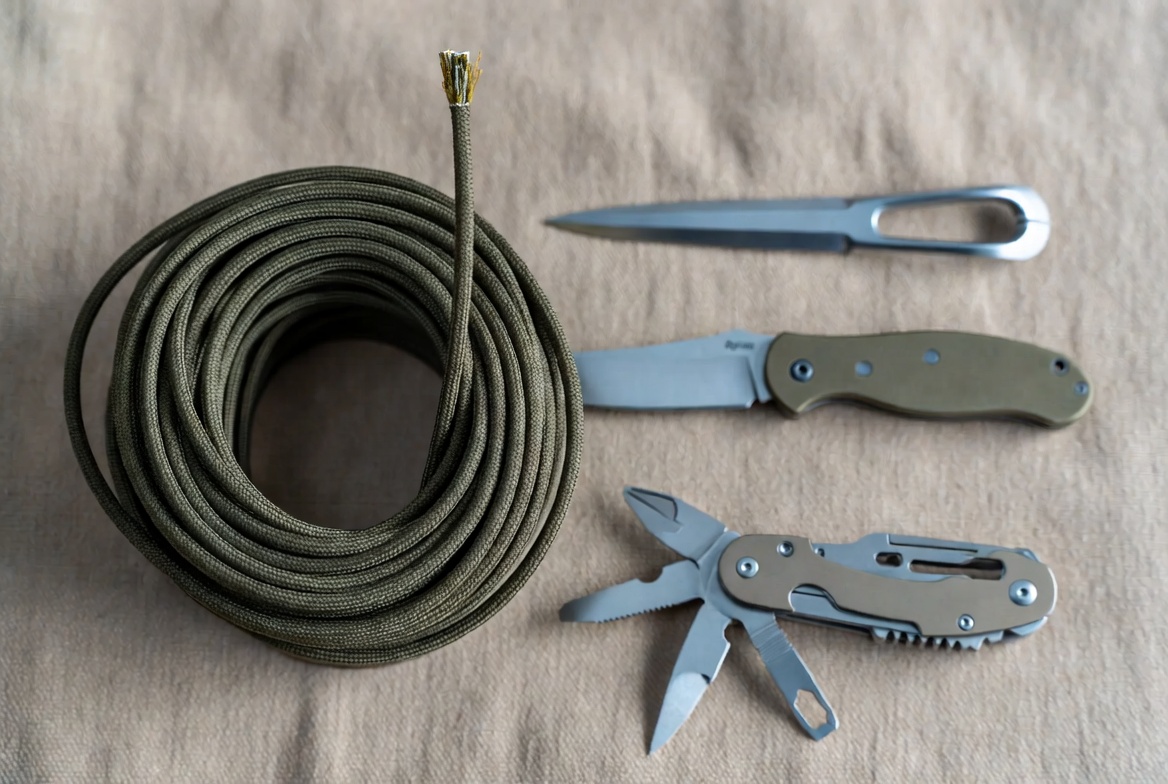
Paracord still belongs in modern gear kits. Genuine 550 paracord (Type III)—the 7‑strand, ~550 lb rated cord originally made to military spec—remains one of the most useful, versatile pieces of kit for EDC, bushcraft, and emergency preparedness.
This review focuses on practical performance, not marketing copy. You’ll get clear notes on construction, common real‑world uses, failure modes I’ve seen, and how to tell authentic Mil‑Spec or reputable US‑made cord from thin, counterfeit '550' that won’t hold up.
Expect hands‑on observations from years carrying and using 550 paracord for tasks like shelter ridgelines, lanyards, gear repair, boot lace replacement, and ad‑hoc emergency tasks. We’ll also cover sensible warnings: paracord is versatile, not a substitute for certified life‑safety rope, and inner strands have limits for fishing or tinder.
If you’re choosing cordage for hiking, prepping, or everyday carry, this review will help you pick the right 550, avoid fake cord, and use it in practical, reliable ways without hype.
Why 550 paracord belongs in your gear kit
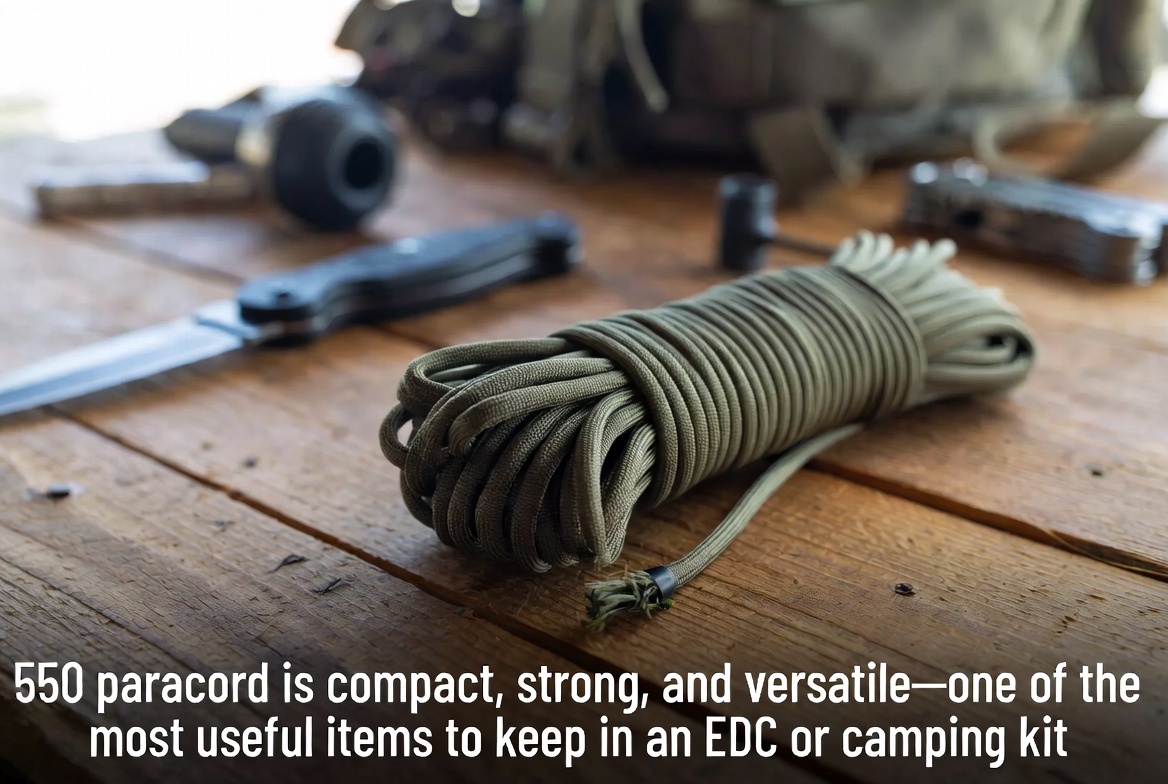
550 paracord (Type III) is the practical middle ground between ultralight lines and heavy-duty rope. It’s compact, strong (rated around 550 lb breaking strength when new), and flexible enough for everything from guy lines and tarps to makeshift repairs and improvised lashings. For everyday carry (EDC), a pocket-length coil or a bracelet gives you quick access to several feet of useful cord without taking up much space.
For bug-out bags (BOBs) and camping kits, 550 paracord shines because it does multiple jobs reliably: shelter rigging, gear repair, securing loads, and even first-aid uses like a tourniquet or sling in a pinch. It’s also easy to splice, melt, and customize, you can reduce fraying with a simple heat-seal and create loops or knots that hold under tension.
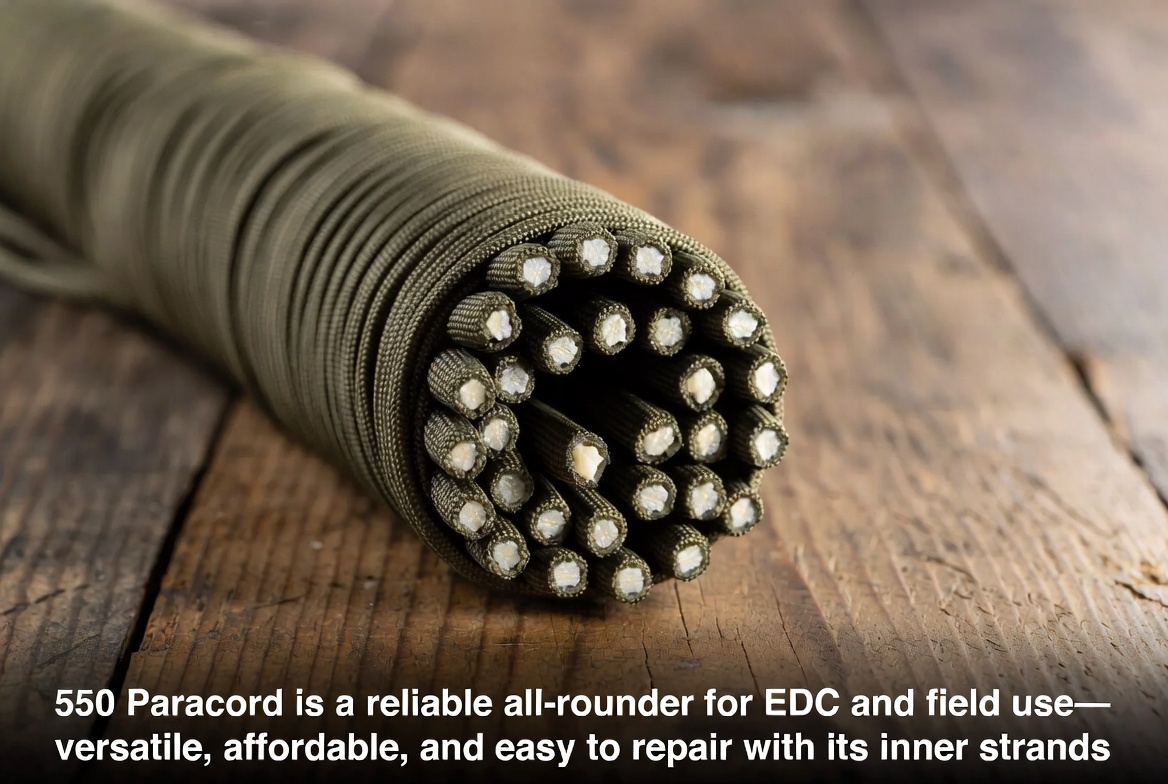
There are tradeoffs: the core strands (usually seven inner yarns) can be pulled out for finer tasks like sewing or fishing line, but removing them reduces overall strength and changes how you should use the remaining sheath. Also, the rated strength is for new, undamaged cord; abrasion, UV, and age degrade performance, so rotate and inspect cordage in long-term kits.
Bottom line: 550 paracord isn’t fancy, but it’s versatile and cost-effective. If you want a single type of cord that covers most field needs without specialized rope skills or gear, keep a length in your pack and a short, finished piece on your person.
BuyerProbe take: Why 550 paracord is the go-to cordage for most folks
550 paracord (Type III) hits the sweet spot between strength, weight, and versatility. Rated to about 550 pounds and typically built with a braided nylon sheath around multiple inner strands, it’s durable enough for common camping tasks, ridge lines, guy lines, tarps, and improvised repairs—while remaining lightweight and easy to pack. For general EDC and bushcraft, one length of 550 cord covers more use cases than most specialized ropes.
The real advantage is flexibility. The inner strands can be removed for tinder bundles, sewing repairs, or fishing line, and the sheath works well for lashing and handles. That makes it a two-for-one tool: a strong utility cord and a source of smaller-diameter cordage or fibers when you need them. For short-term load-bearing or survival tasks, 550 is predictably reliable without being overkill.
Trade-off: it’s not a climbing rope and shouldn’t be used for life-safety or heavy structural work. If you need certified load-bearing lines for technical rope work, choose a purpose-built climbing rope or webbing. But for most camping, everyday carry, and prep uses—where convenience, multi-functionality, and moderate strength matter—550 paracord is the best all-around choice.
Practical buyer guidance: buy good-quality, nylon 550 paracord from reputable sellers, avoid murky-sourced cheap stuff that may use substandard materials, and carry lengths suited to your kit (25–100 ft is typical). Store it dry and inspect for abrasion or chemical damage before critical use.
Buy this if you need a versatile, dependable cord for everyday carry and field work
Choose 550 paracord when you want a single cord that covers a wide range of tasks: shelter lines, guying tarps, lashing gear, replacing shoelaces, rigs for light rescue, and general campsite use. Its rated 550-pound tensile strength (Type III) gives you a healthy safety margin for most non-life-critical loads without bulk or weight penalties. For everyday carry (EDC) users, a few feet coiled on a keychain or woven into a bracelet provides immediate utility without clutter.
Buy it if you regularly do bushcraft, car-camping, or day-hiking where you may need quick repairs or improvised solutions. The inner polypropylene strands are handy for sewing, fishing leaders, or bow drill cordage once separated, so a spool buys you multiple small tools in one. Prepping-minded buyers benefit from the long shelf life and multiple alternate uses—strap, tourniquet, clothesline, or cordage for emergency shelter.
This is also a solid choice for makers and DIYers who need an inexpensive, uniform-diameter cord for paracord projects, zipper pulls, or lanyards. If you plan to cut and heat-seal ends frequently, opt for a nylon-sheathed 550 paracord so the ends melt cleanly and resist fraying. Tradeoff: it’s not a substitute for certified life-safety rope—avoid using it for technical climbing or primary rescue where dynamic loading and certified performance matter.
Skip 550 Paracord if your needs demand specialized cordage
550 paracord is versatile, but it’s not the right tool for every job. If you need ultra-high breaking strength for climbing, rescue, or load-bearing rigging, use certified climbing rope or rated webbing instead — 550 cord’s ~550 lb rating is nominal and depends on quality and condition. Likewise, don’t use it where safety regulations demand tested, labeled materials.
Avoid 550 paracord for tasks that require low stretch or precise knot stability under heavy dynamic loads. Military or industrial applications that require flame resistance, chemical resistance, or UV-stable, colorfast cordage should use specialized synthetics or treated lines. For sewing or creating fine jewelry, the diameter and braided sheath won’t give the finish and flexibility you want.
If stealth is a concern — e.g., hunting or covert ops — note that many paracords have a noisy sheath and conspicuous colors; you’ll want silent, low-visibility cordage. And if compactness matters above all, thin high-modulus lines (like Dyneema cord) pack smaller for the same strength but sacrifice handling and knotability.
Tradeoff: paracord is a superb all-rounder, but that versatility means it’s a compromise. For life-safety or mission-critical work, choose purpose-built, certified rope. For everyday EDC, bushcraft, and general prep, 550 paracord is usually fine — skip it only when the job’s tolerances are narrow or legally regulated.
Durability: How 550 Paracord Holds Up in Real Use
Type III (550) paracord is built to be tough for everyday and rugged use. Its nylon sheath and braided inner strands resist abrasion and flexing; that construction is what gives it a useful lifespan when used for EDC, bushcraft tasks, shelter rigging, or emergency repairs. Expect the sheath to take most of the wear — inner strands are sacrificial and can be extracted for cordage, sewing, or fishing line when needed.
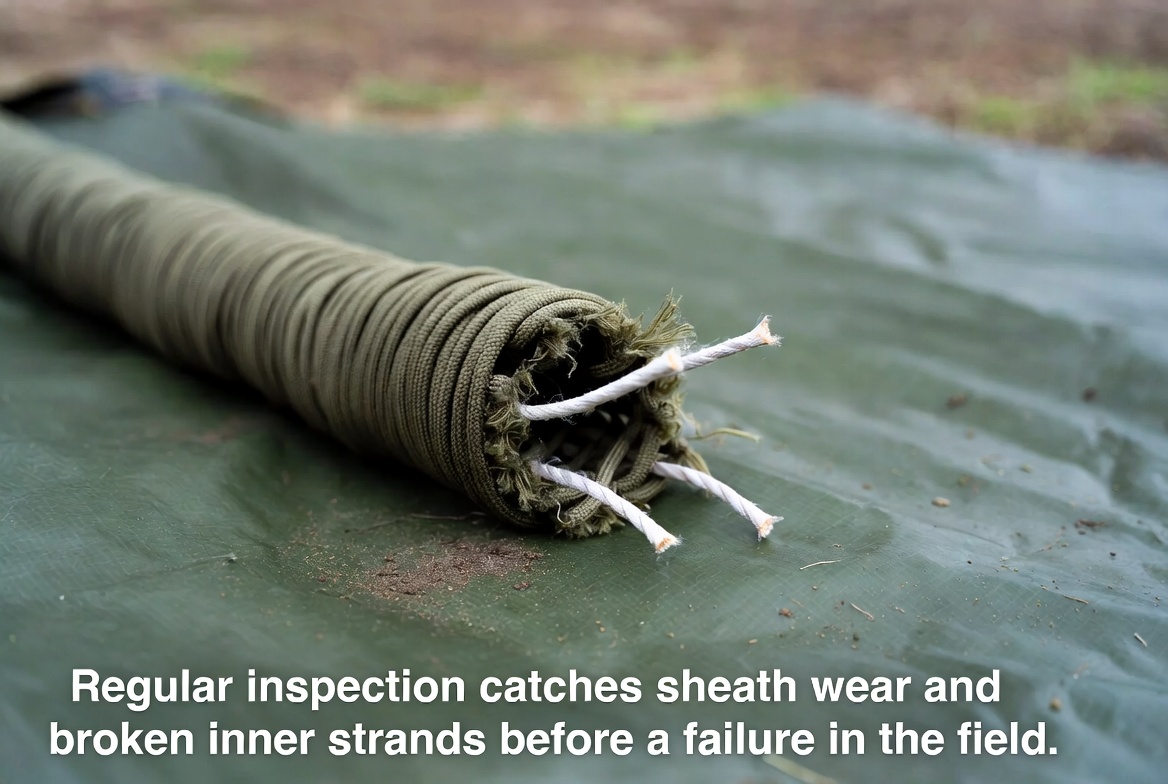
That said, paracord isn’t invulnerable. Prolonged exposure to UV, repeated wet/dry cycles, and contact with sharp edges will weaken nylon over time. For long-term outdoor installations or critical load-bearing applications, plan for periodic inspection and replacement rather than permanent reliance. A frayed sheath or visible broken inner strands is a clear sign it’s time to retire the rope for safety reasons.
For everyday carry, durability is a tradeoff between weight and longevity. 550 paracord is light and flexible—ideal for keychains, lashing, and quick repairs—but if you need rock-climbing-grade rope or fixed, long-term guy-lines for a semi-permanent shelter, choose purpose-designed rope with higher abrasion resistance and rated static/dynamic specifications.
In practice: rotate your cordage, avoid dragging it over rough concrete or metal edges, and keep spares in dry storage. If you rely on paracord in a kit, inspect it after heavy use or severe weather and replace any sections showing significant wear or damage.
Performance: Strength, Stretch, and Real-World Behavior
550 paracord earns its name from a nominal 550-pound breaking strength for the whole cord, which is a useful baseline when you're matching cord to tasks. In real-world use you won't always see that number—knots, abrasion, and age reduce effective strength—so treat 550 lb as an upper bound and choose cord with a safety margin for load-bearing work. For light rigging, tarps, lanyards, and general EDC tasks it performs reliably.
The core-and-sheath construction gives 550 paracord modest stretch and good shock absorption compared with non-elastic braided lines. That stretch can be helpful when dynamic loads occur (for example, a sudden jerk on a guyline) but is a downside when you need a truly rigid, non-stretch leader—use static rope or Dyneema for those cases. The sheath resists abrasion well, but repeated rubbing over sharp edges will cut life short; routing cord through hardware or protecting high-wear contact points is sensible.
Temperature and wet conditions don't drastically change basic performance; nylon handles moisture and cold better than many synthetics, though wet cord can take longer to dry and loses some strength when soaked. UV degrades nylon slowly—good practice is to inspect stored cord and rotate or replace sun-exposed lines.
Practical guidance: size loads conservatively, avoid knots that concentrate stress on small sheath areas, and reserve 550 paracord for applications where moderate stretch and good abrasion resistance matter. If your job is vertical rescue, load-bearing human suspension, or permanent outdoor structural use, choose a purpose-built static rope or certificated webbing instead.
Pros — What 550 Paracord Does Well
Versatility: 550 paracord is a genuine multi-tool in cord form. Use it for EDC lanyards, tent guy lines, tarp repairs, makeshift harnesses, and improvised gear fixes. The balance of strength and diameter makes it suitable for many everyday and field tasks without being bulky.
Strength-to-weight: Rated at roughly 550 pounds breaking strength, it offers a strong load-bearing capability for its size. That makes it a reliable choice when you need something compact in your pack but able to handle serious strain in a pinch.
Comfort and handling: The nylon sheath and braided design slide through hardware smoothly and are comfortable in hand for knot tying. It’s forgiving to tie and untie compared with stiffer technical cords, which helps during rapid repairs or repeated use.
Accessory potential: The inner strands (core) add options—use them for sewing, fishing line, or small repairs when full cord strength isn’t needed. Many people cache lengths as EDC bracelets or keychain loops so a ready supply of cord is always at hand.
Cons — When 550 Paracord Falls Short
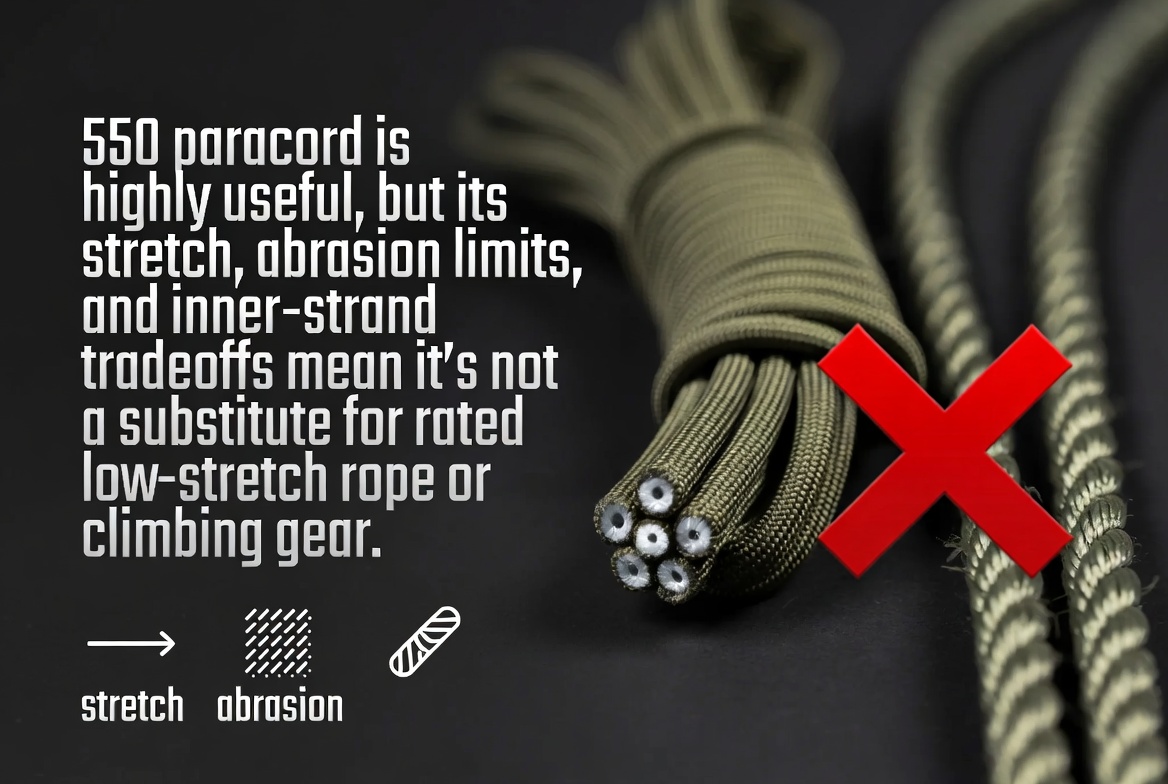
550 paracord is versatile, but it isn’t a universal solution. The biggest limitation is stretch and creep: under sustained load or when used for critical structural tasks (like load-bearing shelter ridgelines or climbing), it can deform or slowly lengthen. Relying on it for life-safety applications without rated webbing or rope is a poor choice.
Another drawback is bulk versus strength. Paracord packs a lot of strength for its diameter, but heavier-duty cordage or braided ropes deliver better abrasion resistance and less stretch at similar or higher breaking strengths. If you need compact, low-stretch lines for tarps, hammocks, or pulley systems, dedicated low-stretch rope is preferable.
The inner strands are useful for smaller jobs, but extracting them reduces the outer sheath’s abrasion resistance and handling. That tradeoff means you can get cordage for sewing and repairs, but you also make the remaining line weaker and more fragile. Finally, exposure to UV, chemicals, or prolonged wet/dry cycles will degrade any nylon cord over time — store and inspect your paracord rather than assuming it’s as good as new.
Practical guidance: don’t use 550 paracord for climbing, rappelling, hoisting heavy loads, or as a permanent structural support. Keep it in your kit for general-purpose tasks, and pair it with rated gear for critical applications.
Verdict: Practical, Proven, and Ubiquitous—But Not Magic
550 Paracord earns its reputation: it’s a broadly useful, proven piece of cordage that belongs in most EDC kits, bug-out bags, and toolboxes. For general-purpose tasks—rigging shelters, securing gear, making repairs, fashioning improvised handles or slings—its combination of tensile strength, manageable diameter, and inner strands for fishing or repairs makes it hard to beat. It’s affordable, easy to source, and beginner-friendly.
That said, 550 paracord isn’t the right choice for every task. If you need ultra-low-stretch rope for climbing, static rappel, or load-bearing applications with safety implications, use certified climbing rope or rated webbing instead. Likewise, for marine use where UV and salt corrosion over long term matters, specialized marine lines will outlast generic paracord.
Practical buyer guidance: keep multiple lengths—short sections for EDC bracelets and keychains, and longer coils (25–100 ft) in your kit for shelter and rescue improvisation. Inspect and replace after heavy abrasion, heat exposure, or prolonged UV exposure. If you value multi-functionality, buy paracord with good inner-strand accessibility (not permanently fused), and avoid novelty cords that sacrifice construction for color or prints.
Overall: treat 550 paracord as a versatile, everyday tool, not a cure-all. It covers a huge percentage of field and home tasks reliably, but know its limitations and supplement it with purpose-built lines when safety or long-term environmental exposure are concerns.
More BuyerProbe Reads
Keep Reading
review / product
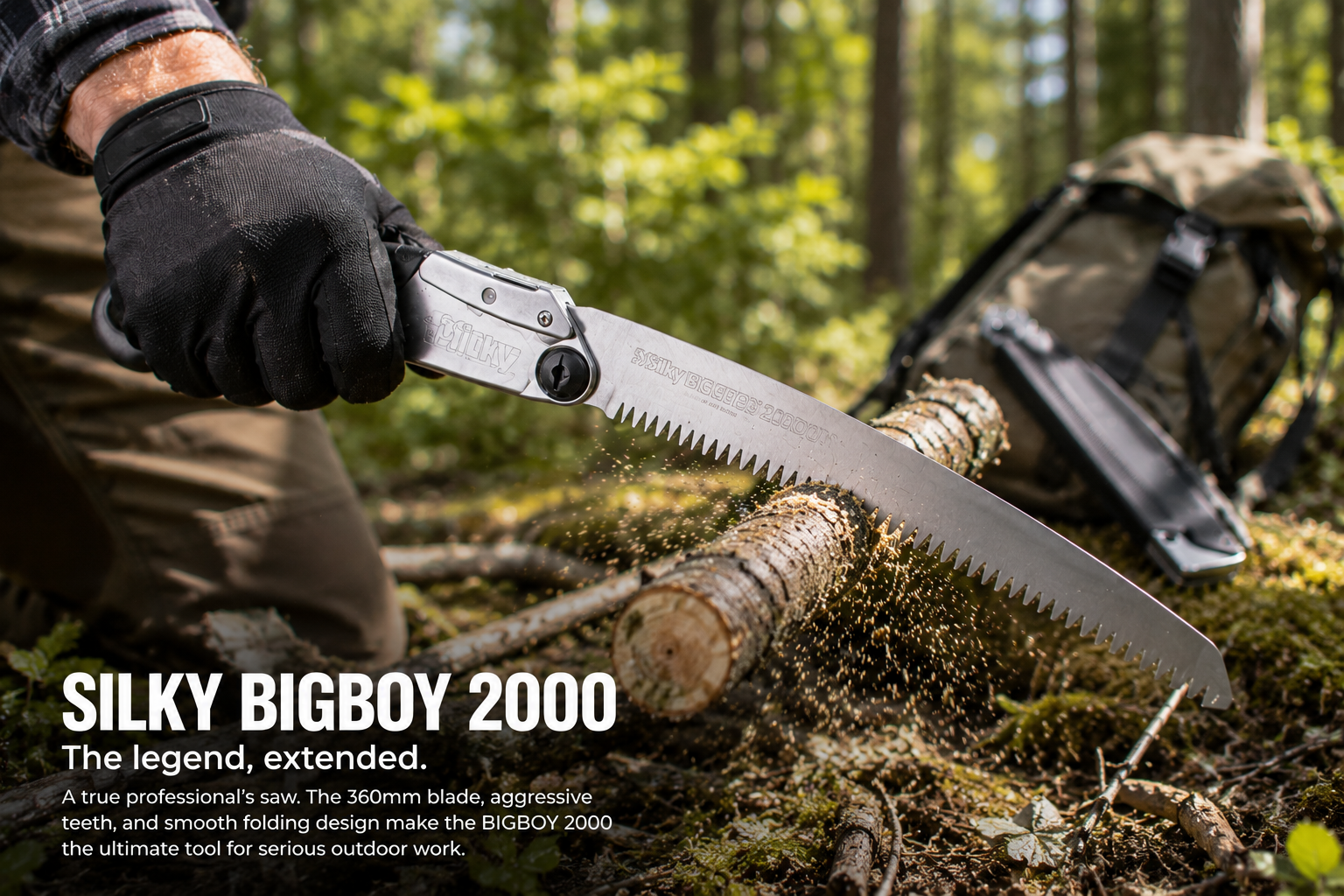
Silky Professional BIGBOY 2000 Folding Saw: durable, fast cutting for heavy yard and trail work
A practical look at the BIGBOY 2000 after a year of regular use. Learn what it handles well, its real limitations, and who should buy it.
review / comparison
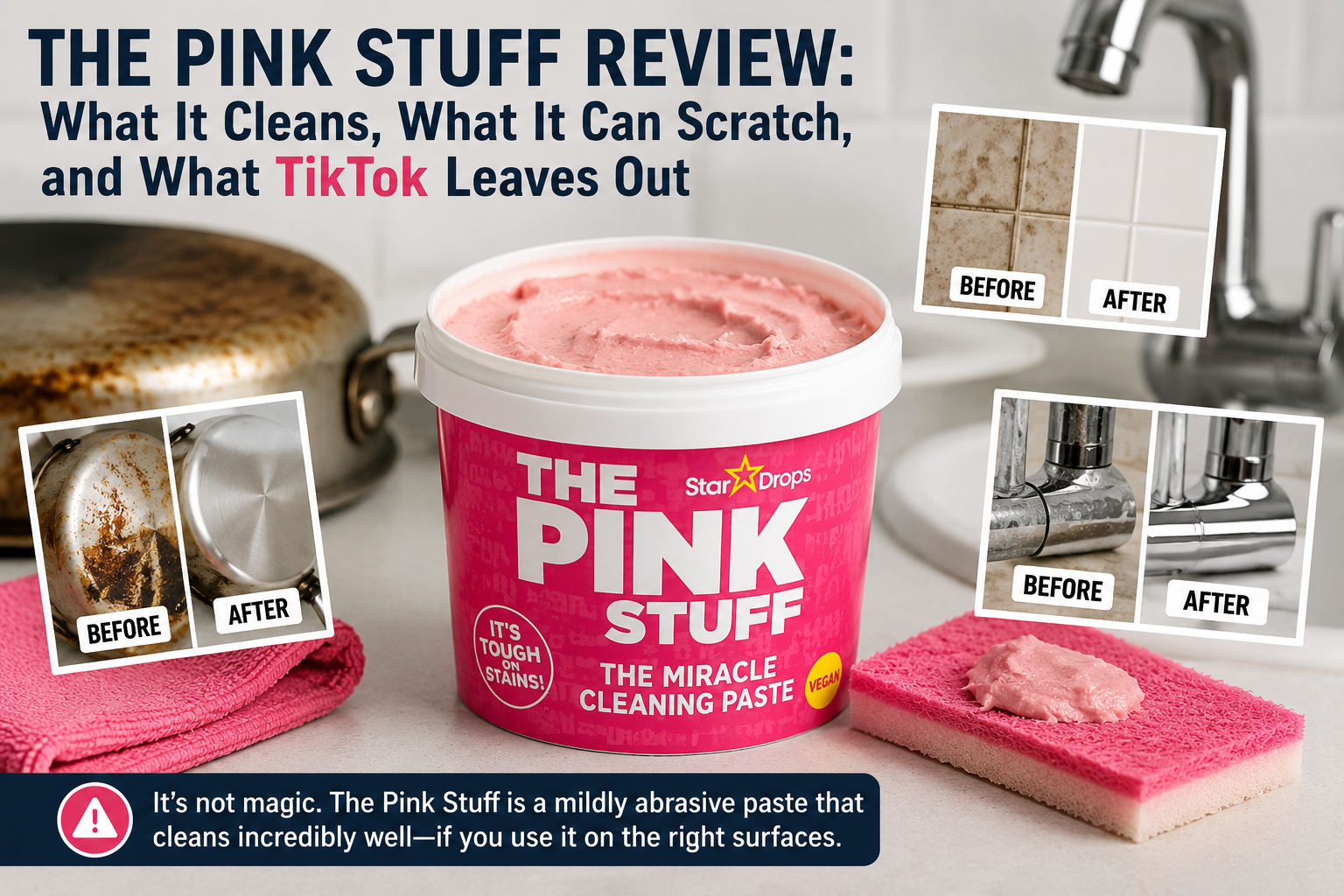
The Pink Stuff Review: What It Cleans, What It Can Scratch, and What TikTok Leaves Out
A practical look at The Pink Stuff Miracle Cleaning Paste and what viral videos do not show. Learn where it shines, where it risks damage, and better options for delicate surfaces.

review / product
Smart glasses buying checklist: what to actually watch for
Smart glasses are tempting, but don’t buy on novelty. This checklist walks through the practical features and tradeoffs to check before you spend.
review / product
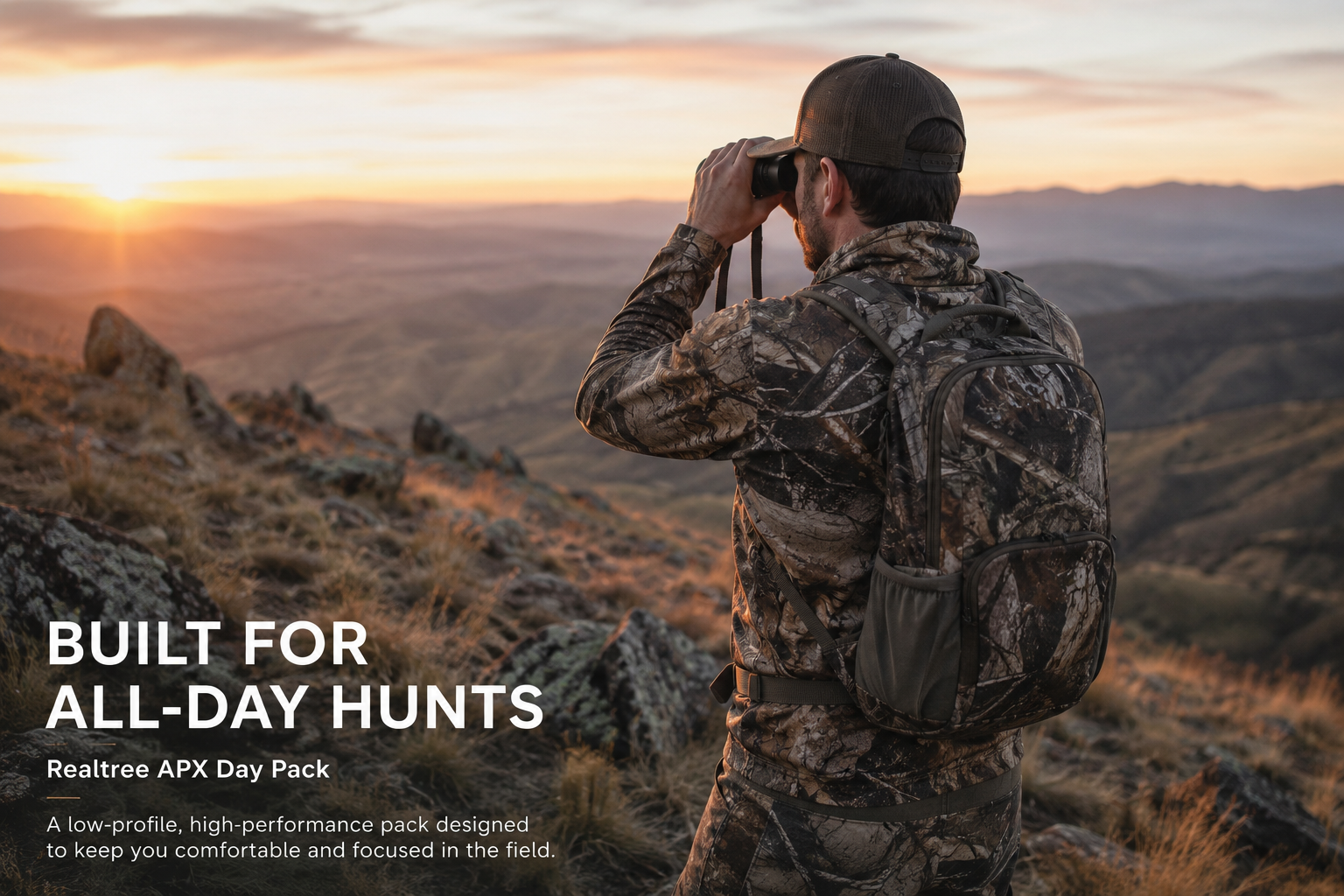
ALPS OutdoorZ Crossfire Pack (Realtree APX) Review: A Comfortable Day Pack for Hunters
A hands-on look at the Crossfire 23L hunting pack. Learn where it shines, who should buy it, and which hunters should look for bigger, tougher alternatives.
review / buying_guide
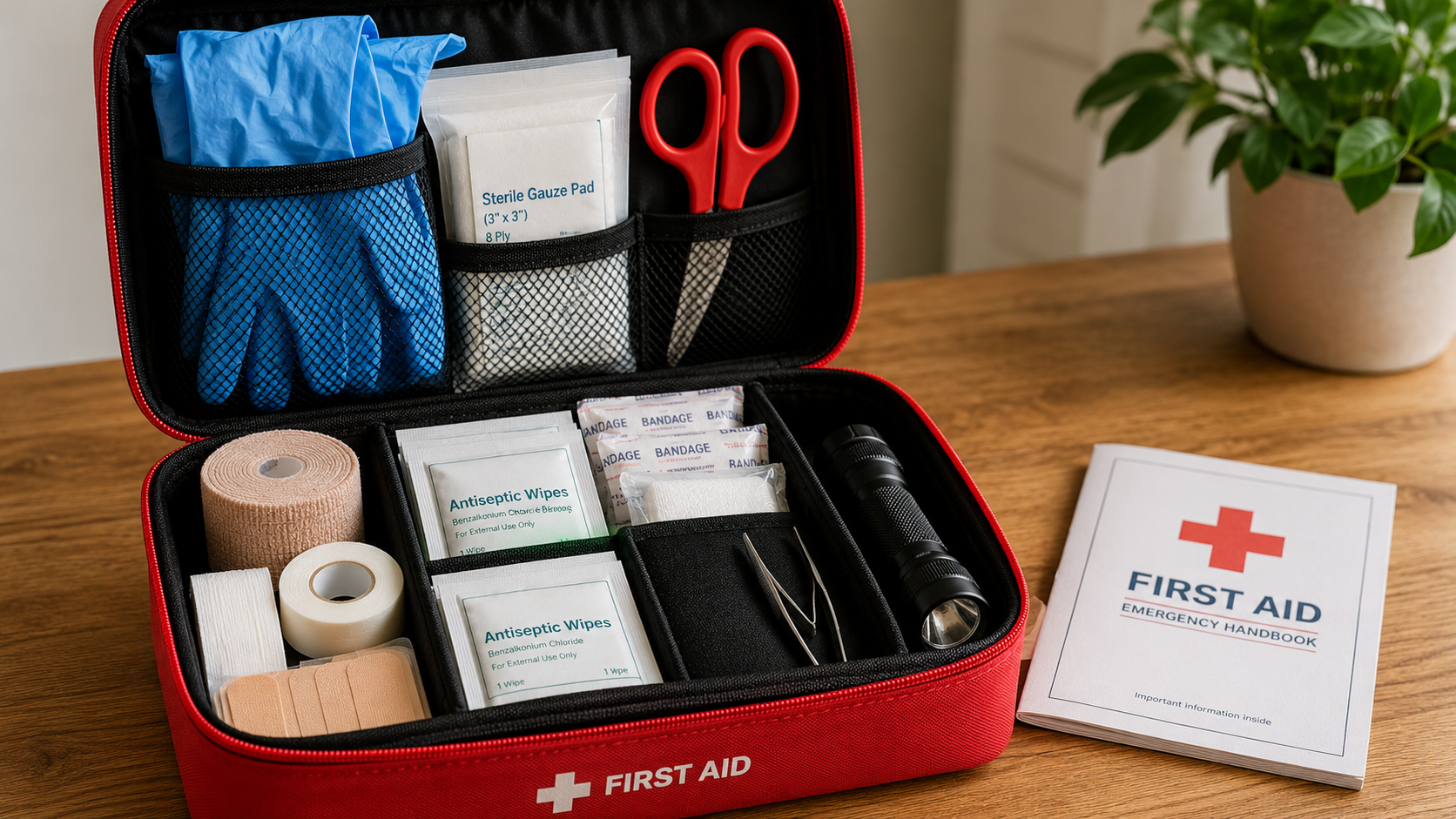
First Aid Kit Checklist: What I’d Want in One Before I Trust It
A first aid kit is one of those things people buy, toss in a drawer, and forget about, until the day they actually need it. Here’s what I’d check before trusting one for the house, truck, range bag, camping kit, or bug-out setup.
review / product
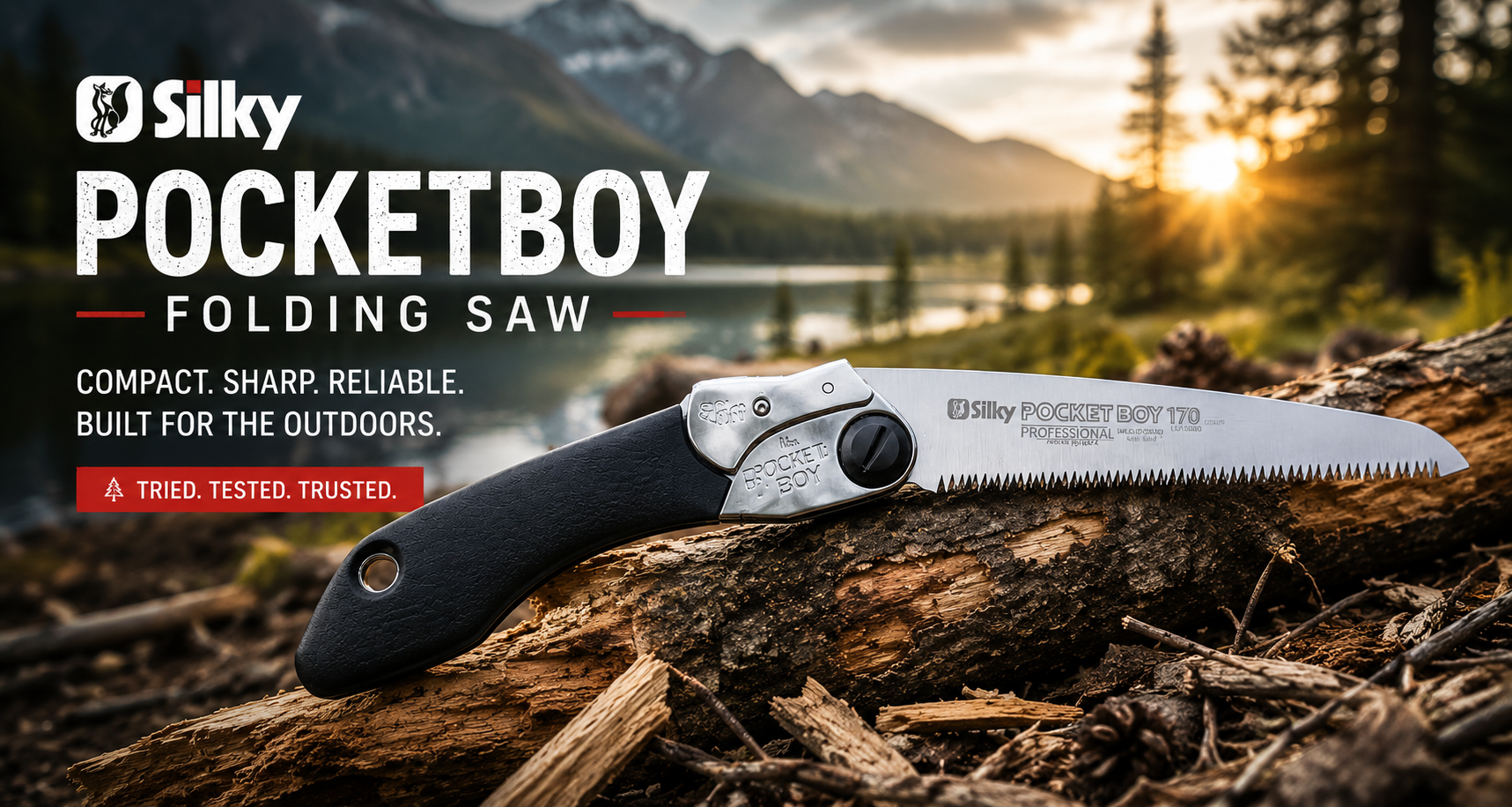
A Tried-and-True Camp Tool That Earns Its Spot in Your Pack
When it comes to camping gear, some tools look good online but disappoint in the field. The Silky PocketBoy Folding Saw is not one of those tools.
mistakes / buying_guide
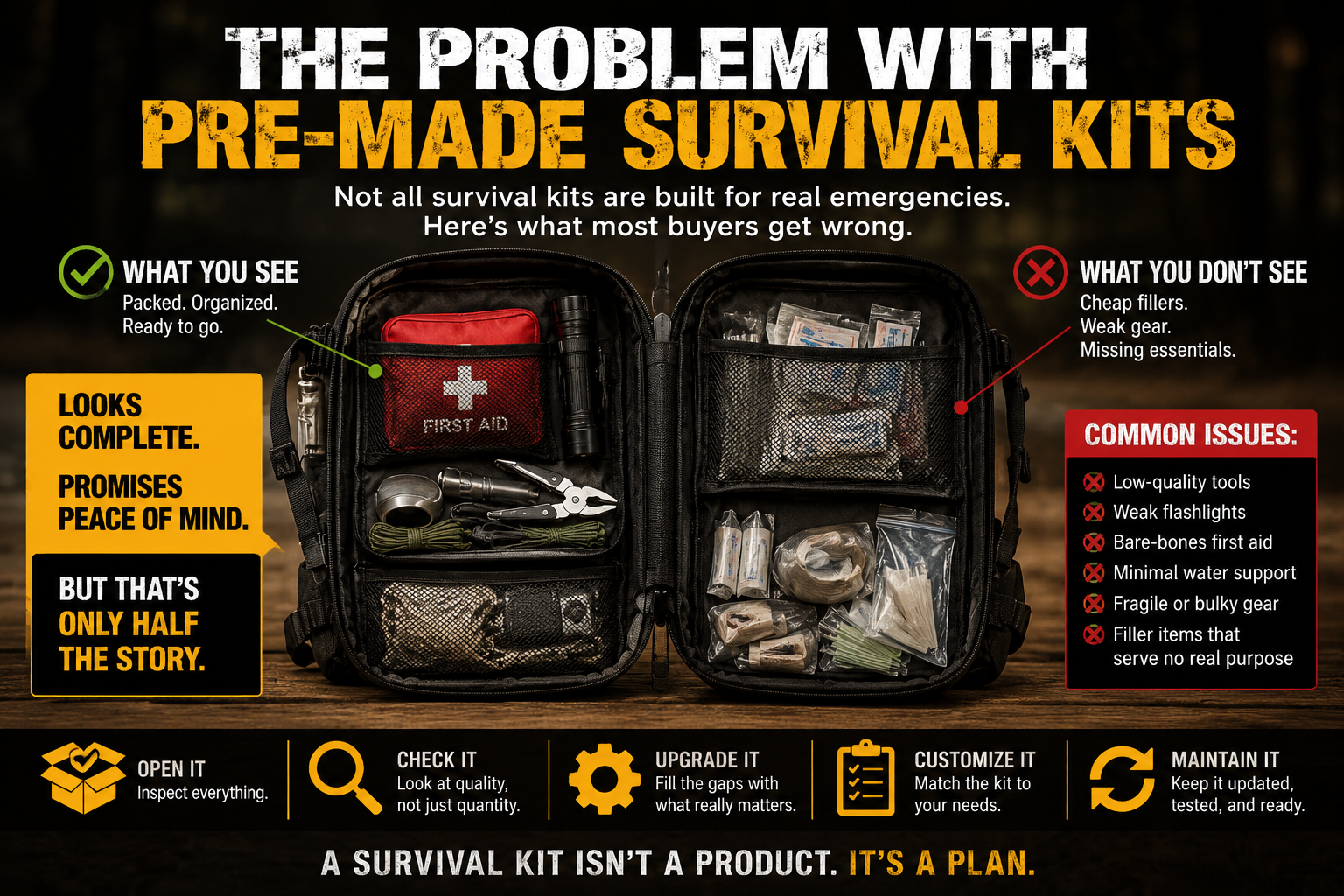
The Problem With Pre-Made Survival Kits
Pre-made survival kits can look like an easy fix for emergencies, but many prioritize shelf appeal over real usefulness. Learn what these kits miss, where they help, and how to vet one before you rely on it.
buying-guide / buying_guide
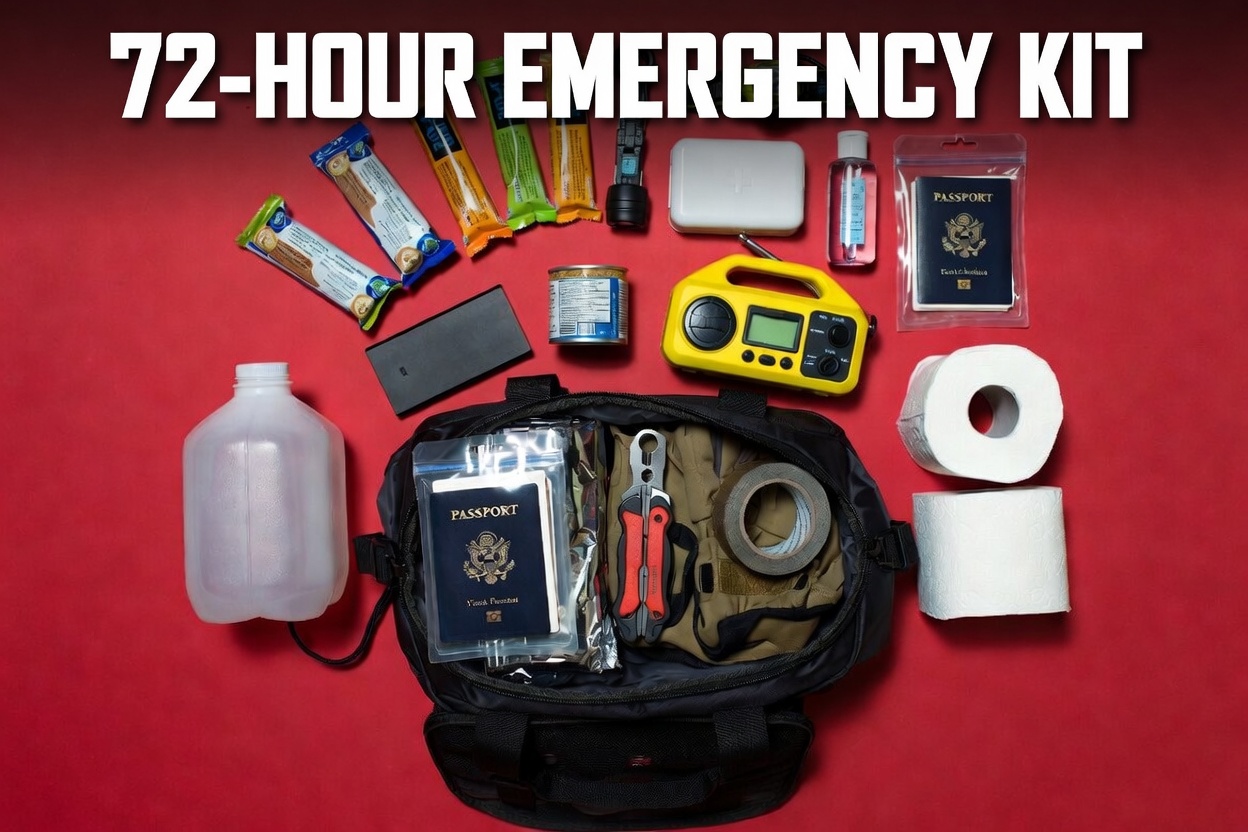
What to Pack in a Practical 72-Hour Emergency Kit
How to build a real 72-hour emergency kit that covers water, food, warmth, hygiene, tools, and meds without filler items that waste space. Learn what to prioritize and what low-value extras to skip.