hindsight
Hindsight: Why a Magnesium Fire Rod Belongs in Every Pack
A wet night on the Appalachian Trail showed one hiker how fast a lighter failure becomes a survival problem. Learn why a magnesium rod is a simple, reliable backup and what to watch for.
Fire Starters / product
Published: May 28, 2026 / Updated: Jun 2, 2026
Prices, availability, and product details can change. Check current details with the seller before buying.
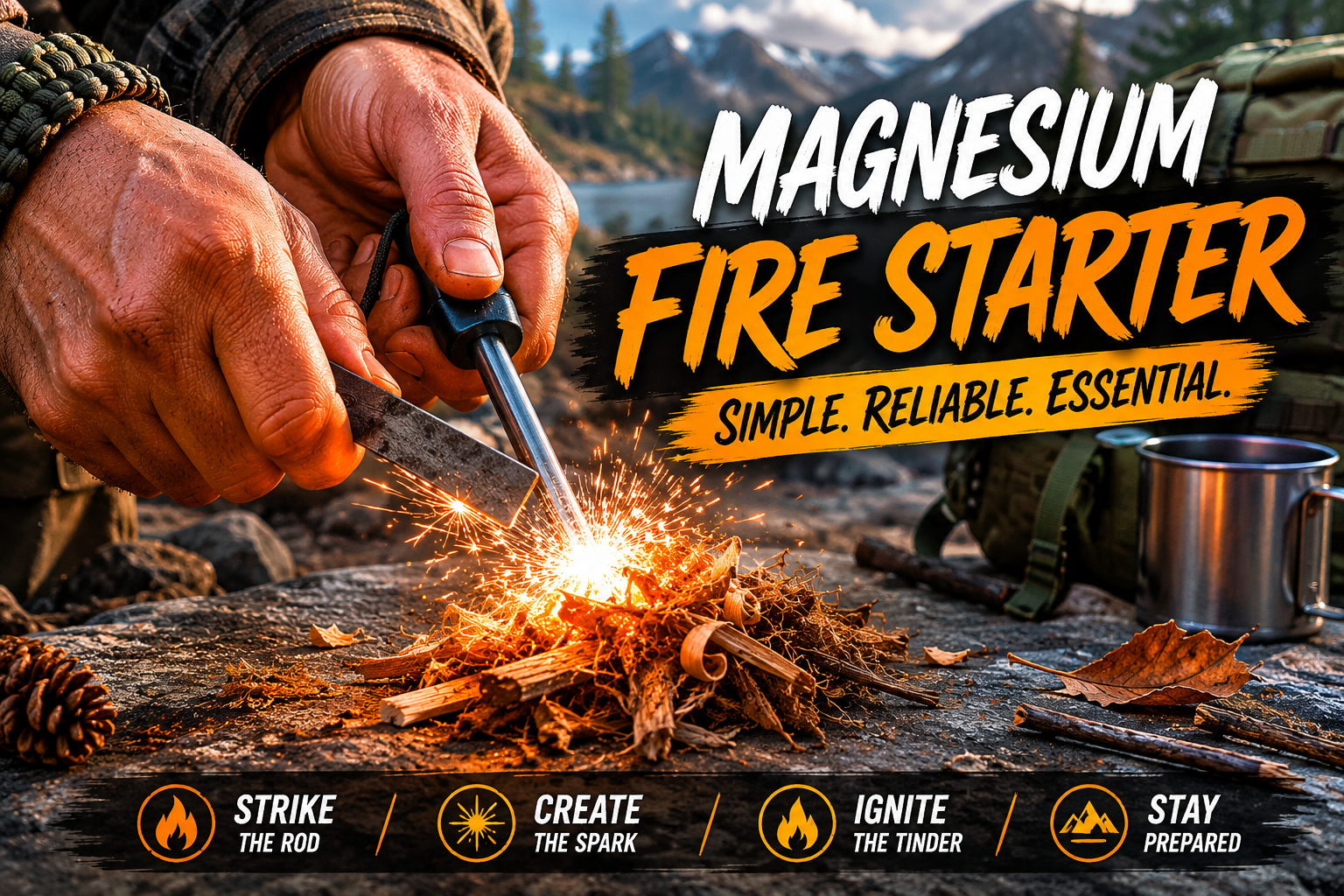
Article
Overview
On a damp evening in the Appalachians, Alex set up camp under a tarp with rain threatening. He pulled out his lighter, only to find it had leaked all its fluid. With everything around him soaked, there was no dry tinder to be had.
Alex tried every trick he knew. He shaved bark, searched for dry inner branches, even tried the lighter on increasingly desperate surfaces. Nothing caught. The night turned into a slow unraveling of warmth and morale. He spent hours shivering, tucked into a clammy sleeping bag, wishing he had packed differently.
By morning he was exhausted and cold, but clearheaded. The trip became a lesson rather than just bad luck. A small magnesium fire rod, kept dry and ready, would have changed that night. This is the kind of gear decision that reads like common sense after the fact, but often gets ignored until it matters.
BuyerProbe's angle here is straightforward. This is a hindsight piece that focuses on one avoidable mistake: relying on a single ignition method that can fail in wet conditions. We outline the practical reasons to carry a magnesium rod, how it would have helped, and what to watch for when choosing one.
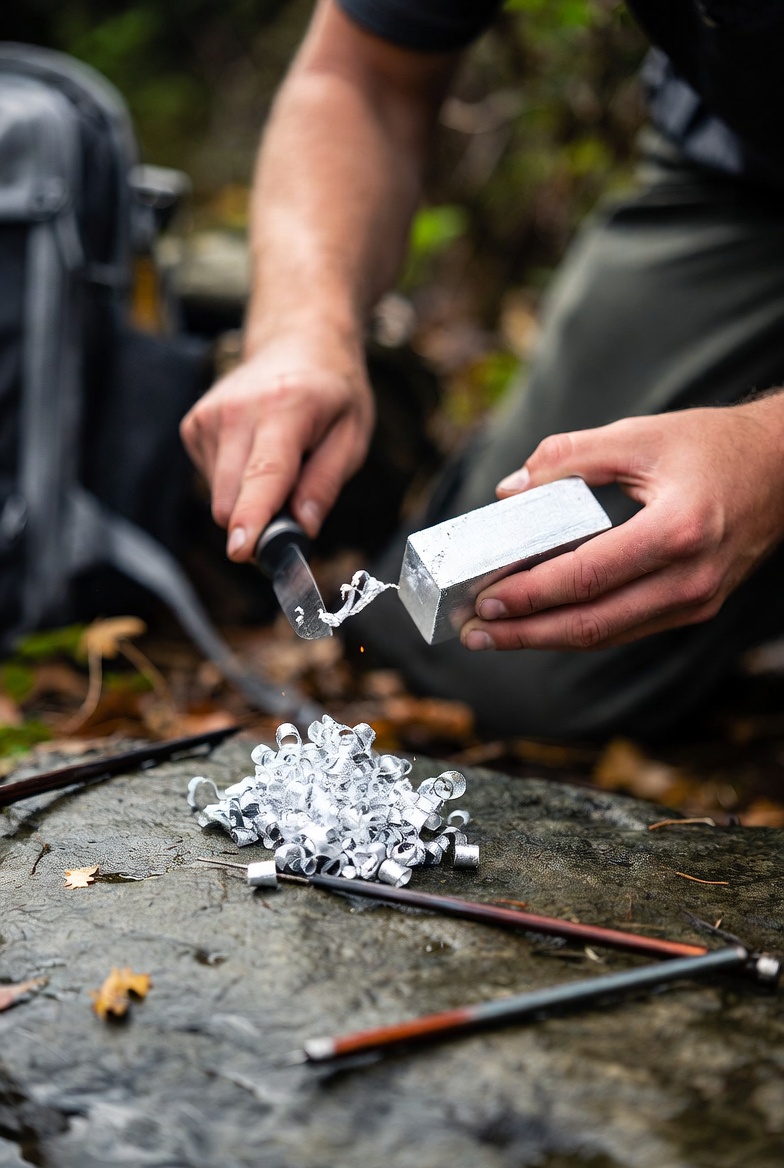
BuyerProbe take: Get a magnesium fire rod, but pick the right style
A magnesium fire rod is one of those simple, high-value tools that shows up in real emergencies. It is compact, lightweight, and works when matches and lighters fail. Buy one for any pack that might see wet conditions, cold nights, or multi-day backcountry travel.
Not all magnesium fire starters are equal. Big blocks melt and provide an easy tinder source, but they add weight and can crumble in a pocket. Slim rods keep weight down and fit on a keychain, but they give you only shavings and rely on your tinder skills. Choose based on your kit: if you carry dryer lint, cotton balls, or commercial tinder, a slim rod is fine. If you want more foolproof ignition, pick a rod with an integrated magnesium chunk and a sturdy striker.
Watch the striker quality and attachment. Cheap models use thin stamped scrapers that bend or break. Also avoid rods with fragile plastic handles or weak attachment points; in the field you will be scraping hard and need a solid grip. Finally, practice before you need it. This is not a magic tool, it is a dependable one when you know how to make shavings, place tinder, and get a spark to catch.
Bottom line, a magnesium fire rod is a must-have if you value reliability and low weight. Spend a little more for a robust striker and a usable magnesium block if your priorities include ease under stress. If weight and pocket space are the top concern, a no-frills rod will still save you when lighters fail.
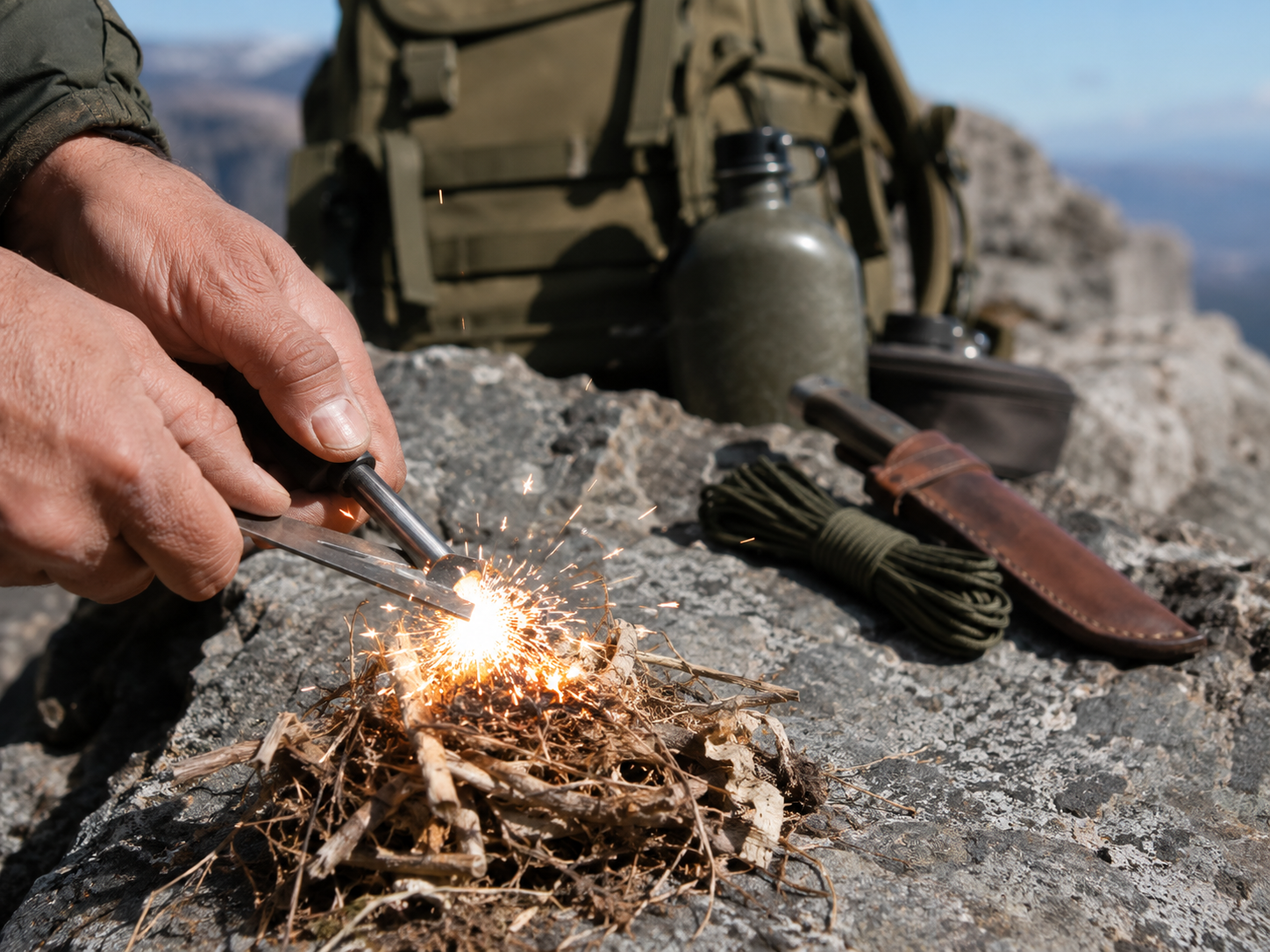
Performance: Reliable sparks, not magic
A magnesium fire rod delivers exactly what it promises, and performance comes down to two things, the quality of the rod and your technique. A good rod throws dense, hot sparks when you scrape the ferro core, and the softer magnesium chunk should shave easily to create a cloud of fine tinder. That cloud ignites quickly with the ferro sparks and gives you a forgiving window to get a flame going.
Expect consistent performance in dry to moderately damp conditions, provided you keep the magnesium and ferro rod dry and free of corrosion. In heavy rain or when everything is soaked, even the best rod stalls unless you have protected tinder or a shelter. Performance drops if the magnesium is too hard to shave or the ferro alloy is low-grade, which is common in cheap combos.
Real-world use case: on a windy ridge you want big, hot sparks and quick-burning magnesium shavings. A short, thin rod can be easier to carry but will be harder to strike in gusts. Tradeoff: heavier, longer rods and larger magnesium blocks are bulkier but give more strikes and larger tinder clouds, which is useful when conditions are marginal.
Bottom line, a magnesium fire starter is dependable when matched to the environment and your skill level. Learn to prepare a tinder nest and practice a few strikes; the tool's raw performance is good, but it relies on the user to turn sparks into a lasting fire.
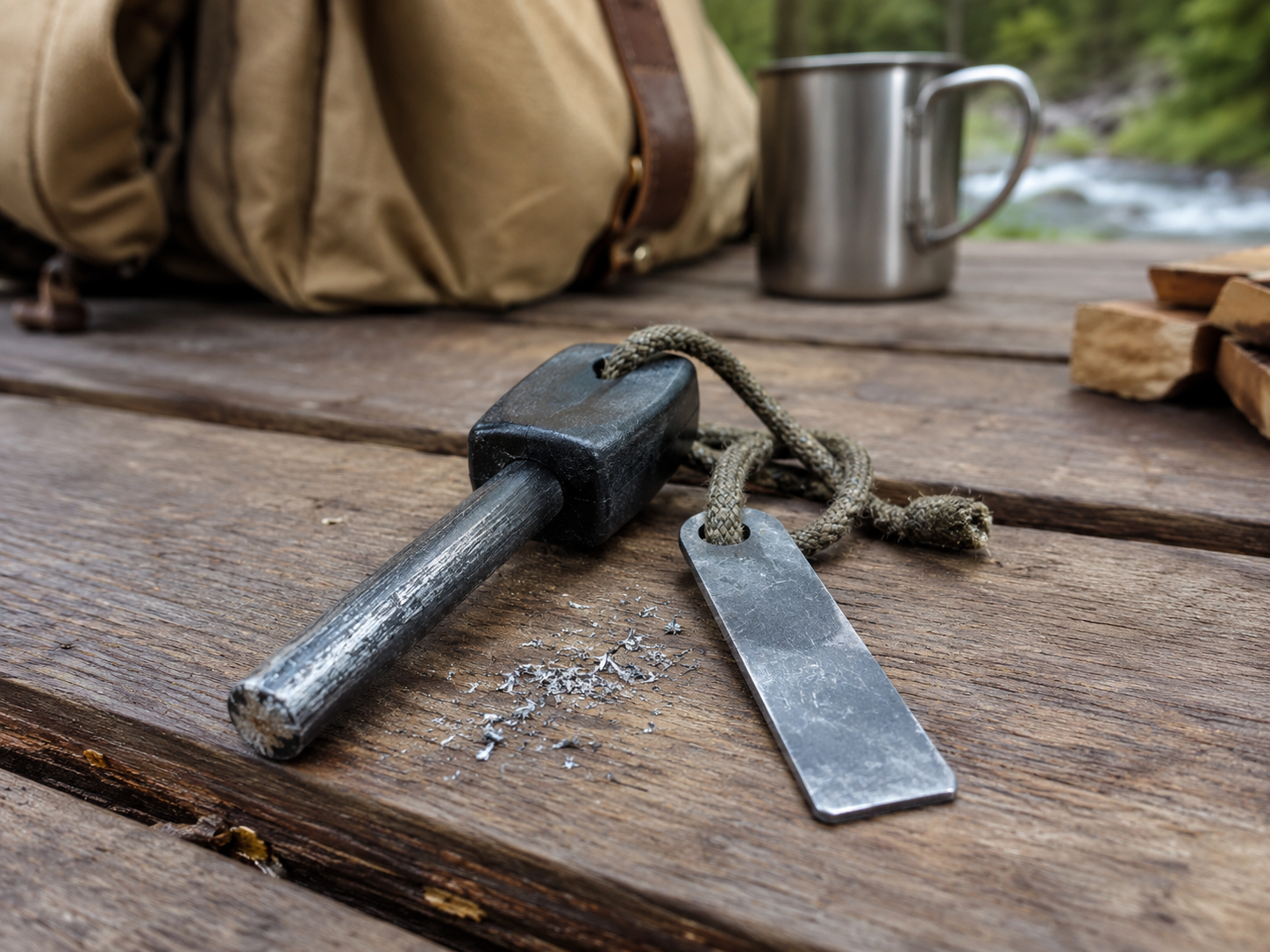
Durability: Built to Last, but Not Indestructible
A magnesium fire rod is one of the tougher small tools you can carry. The rod itself is dense and resistant to cracking or chipping under normal field use. Most failures come from user mishandling, like striking against rock edges or trying to pry with the rod, rather than from the material wearing out from making sparks.
That said, the striker and any plastic bits are the weak points. Cheap strikers can fracture or bend after repeated heavy use. If the fire starter has a plastic handle or a glued sheath, expect those parts to be the first to fail in extreme cold, wet conditions, or rough carry.
Consider how you carry and use the tool. Keeping it in a padded pocket or a sheath on your pack, and avoiding striking against hard stone, extends its life. If you plan to use it daily or in a professional context, pick a model with a metal striker, a solid attachment point for a lanyard, and a full-length rod rather than a small stub.
Durability is one of the reasons to own a magnesium rod, but it is not maintenance-free. Inspect the striker and fittings after heavy trips, replace worn cord or cracked handles, and store it dry. With basic care a decent magnesium fire rod will outlast most disposable lighters and many multi-tools in typical outdoor use.
Where a Magnesium Fire Rod Really Wins
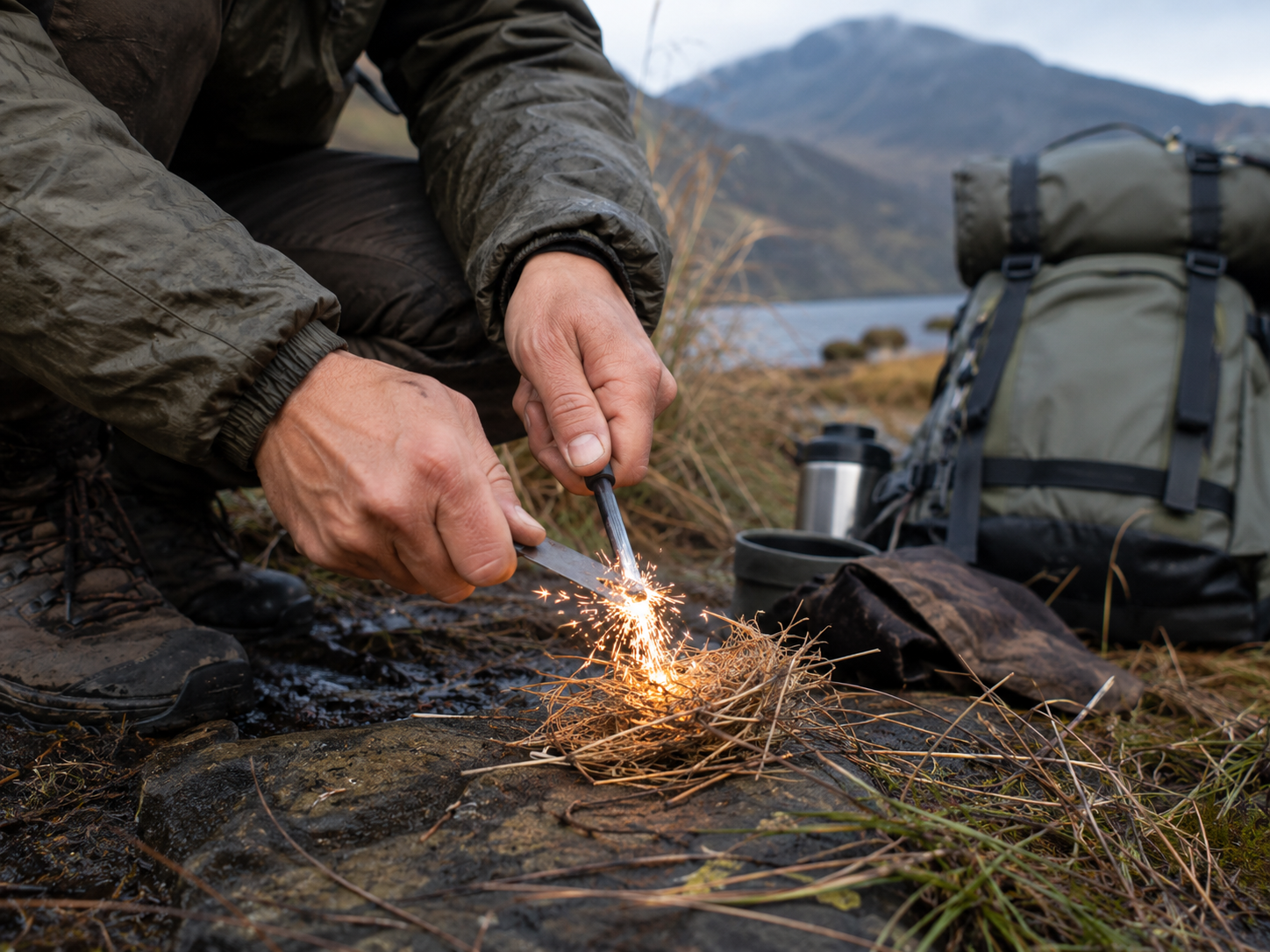
Magnesium fire rods shine when you need a reliable, low-tech way to start fires in the outdoors. They produce hot, consistent sparks that catch fine tinder even when it's damp or windy, so they beat matches and cheap lighters in messy conditions. If you're hiking, backcountry camping, or carrying a minimal kit, a small magnesium rod offers a huge return for its weight and bulk.
They also win for users who want long-lived gear. A good rod can produce thousands of strikes, so it's a one-time purchase that outlasts disposable options. Compared with cotton balls with petroleum or chemically treated sticks, a magnesium rod is cleaner, reusable, and less affected by temperature and humidity.
Use it when you need simplicity and reliability, not convenience. A rod is ideal for survival kits, emergency go-bags, and ultralight packs where you want a fire starter that works without batteries, fuel, or fragile parts. The tradeoff is you must carry dry tinder and learn a basic scraping technique, but that small skill unlocks dependable performance in real conditions.
Watch for cheap rods with soft metal or weak ferrocerium that crumble after a few uses. Pick a rod packed with enough magnesium for easy ignition and a sturdy striker. For most people, the right rod is the one that feels solid in the hand and comes with a simple striker, not gimmicks or elaborate casings.
Final word
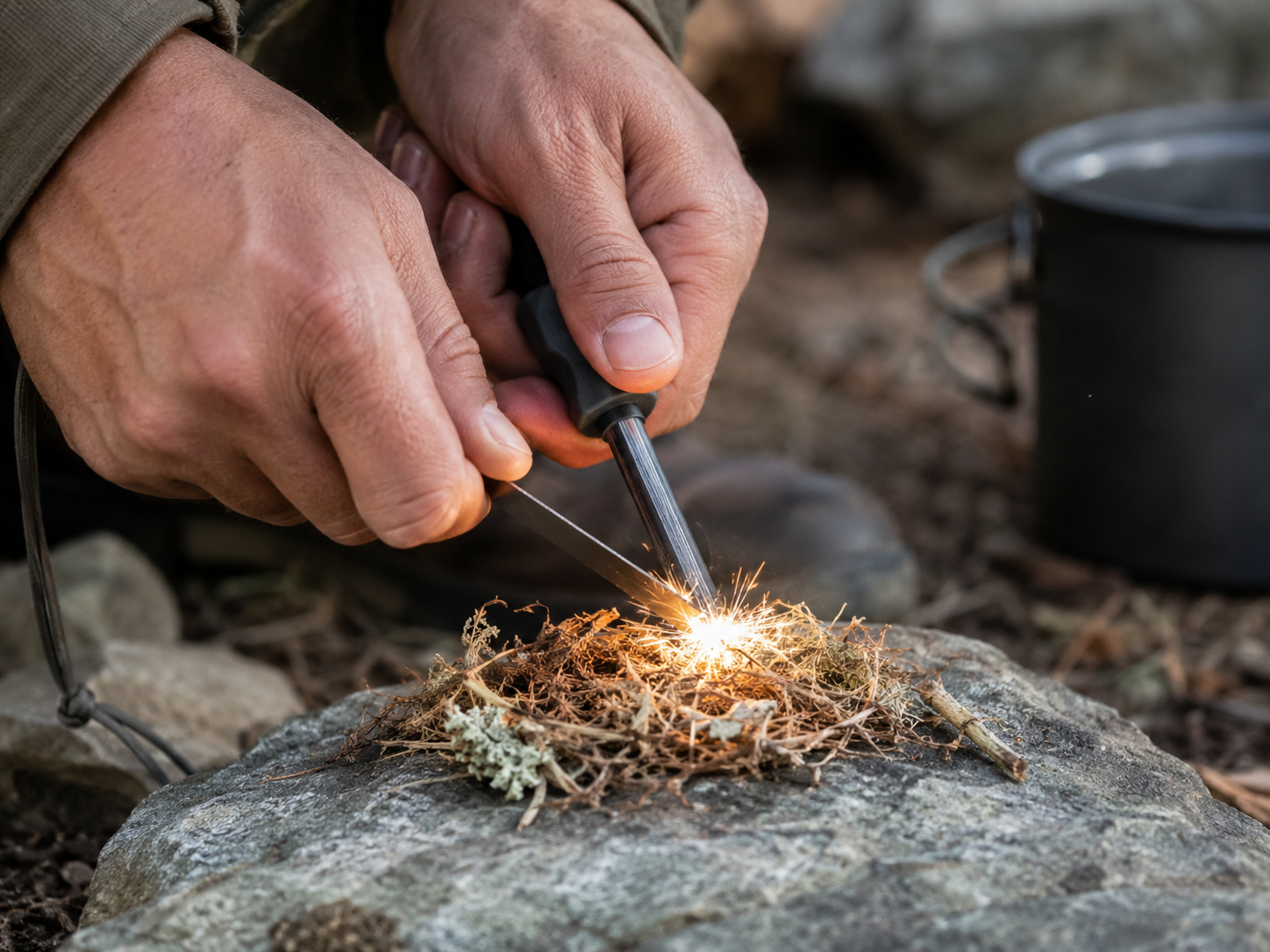
A magnesium fire rod is one of those small, cheap pieces of gear that actually changes how you approach trips. It does one job and does it reliably: produce hot sparks that ignite tinder when matches or lighters fail. Get one with a solid striker and a protected magnesium block. Avoid the ultra-cheap units with tiny rods and flimsy plastic casings. They save weight but often fail when you need them most.
Keep expectations realistic. A fire rod is not an instant-fire button. It speeds the hard part of starting a fire, but you still need dry tinder and basic technique. Practice at home so you know how to scrape magnesium shavings and direct sparks into the pile. On wet, windy days you may still struggle; that is a limitation of the situation, not the tool.
For most campers, hikers, and emergency kits, a magnesium fire rod is worth the small space and weight. Treat it like insurance: cheap to carry, high payoff when conditions go south. Pick a durable model, keep a small length of dry tinder with it, and you will be glad you did when a lighter fails or the matches get soaked.
More BuyerProbe Reads
Keep Reading
comparison / product
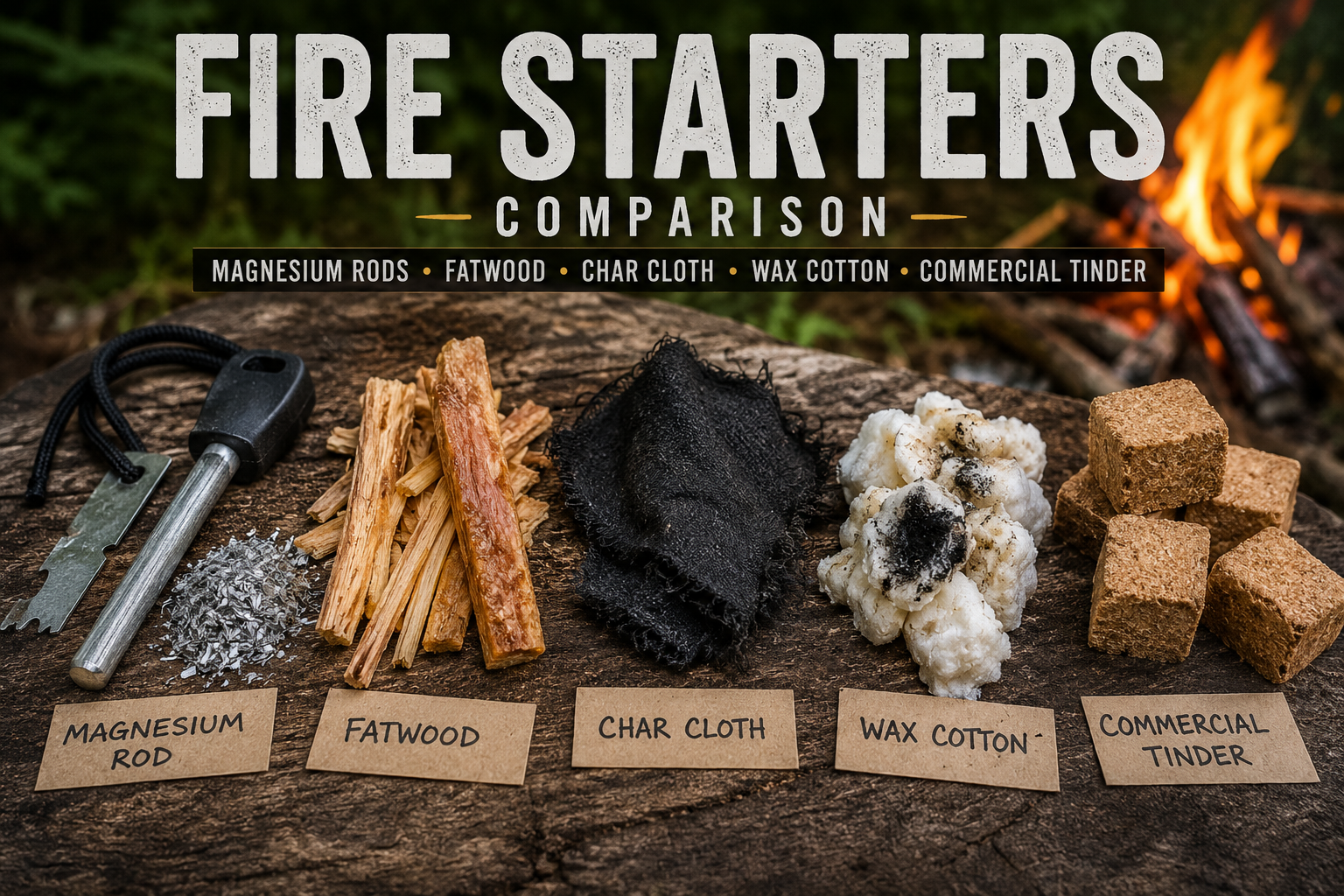
Best Fire Starters Compared: Magnesium Rods, Fatwood, Char Cloth, Wax Cotton, and Store-Bought Tinder
Fire starters all promise easy flames, but they do not behave the same in wet weather, cold hands, or real camp conditions. Here is a practical comparison of magnesium rods, fatwood, char cloth, waxed cotton, rotted-stump charcoal, and commercial tinder.
review / product
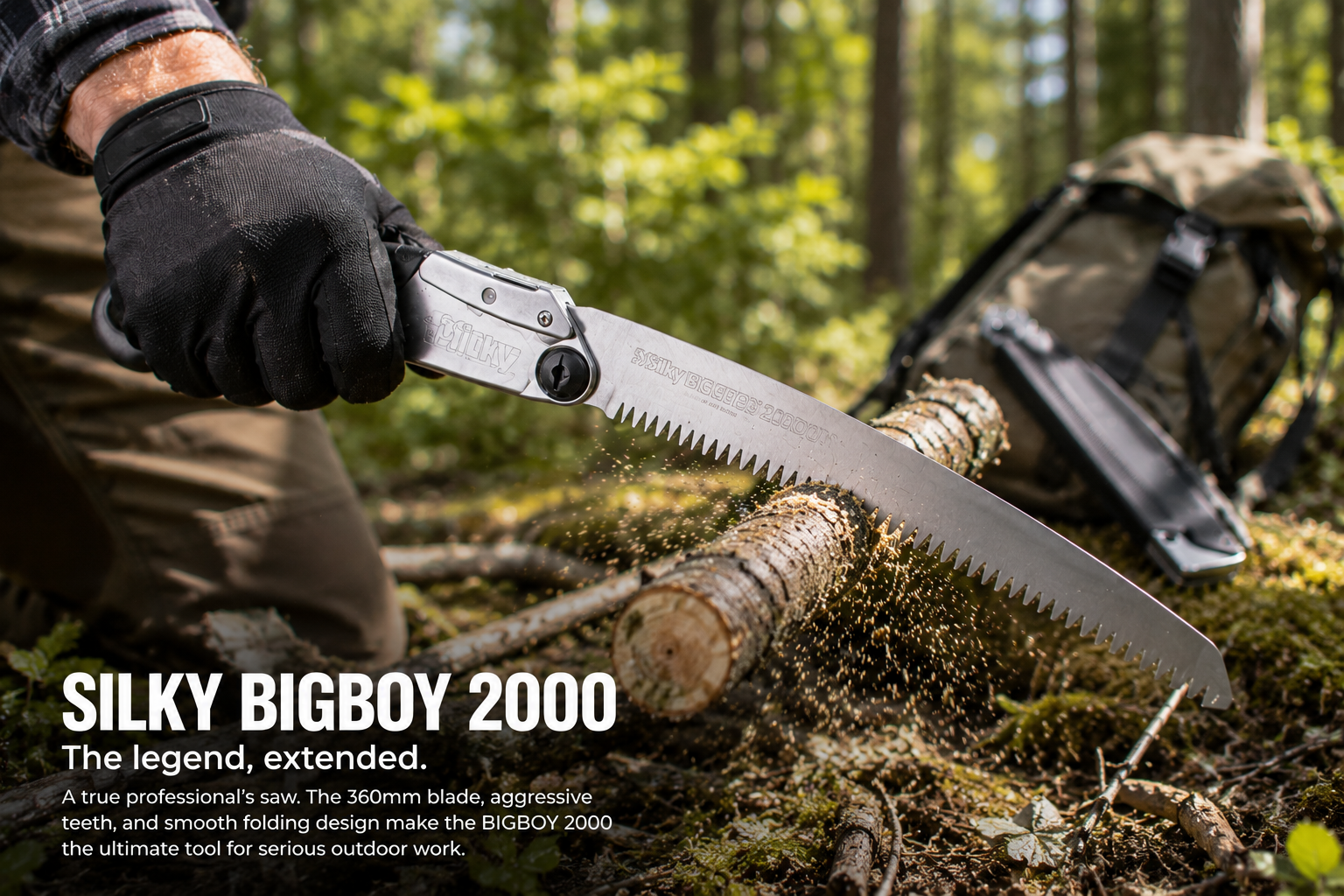
Silky Professional BIGBOY 2000 Folding Saw: durable, fast cutting for heavy yard and trail work
A practical look at the BIGBOY 2000 after a year of regular use. Learn what it handles well, its real limitations, and who should buy it.
review / comparison
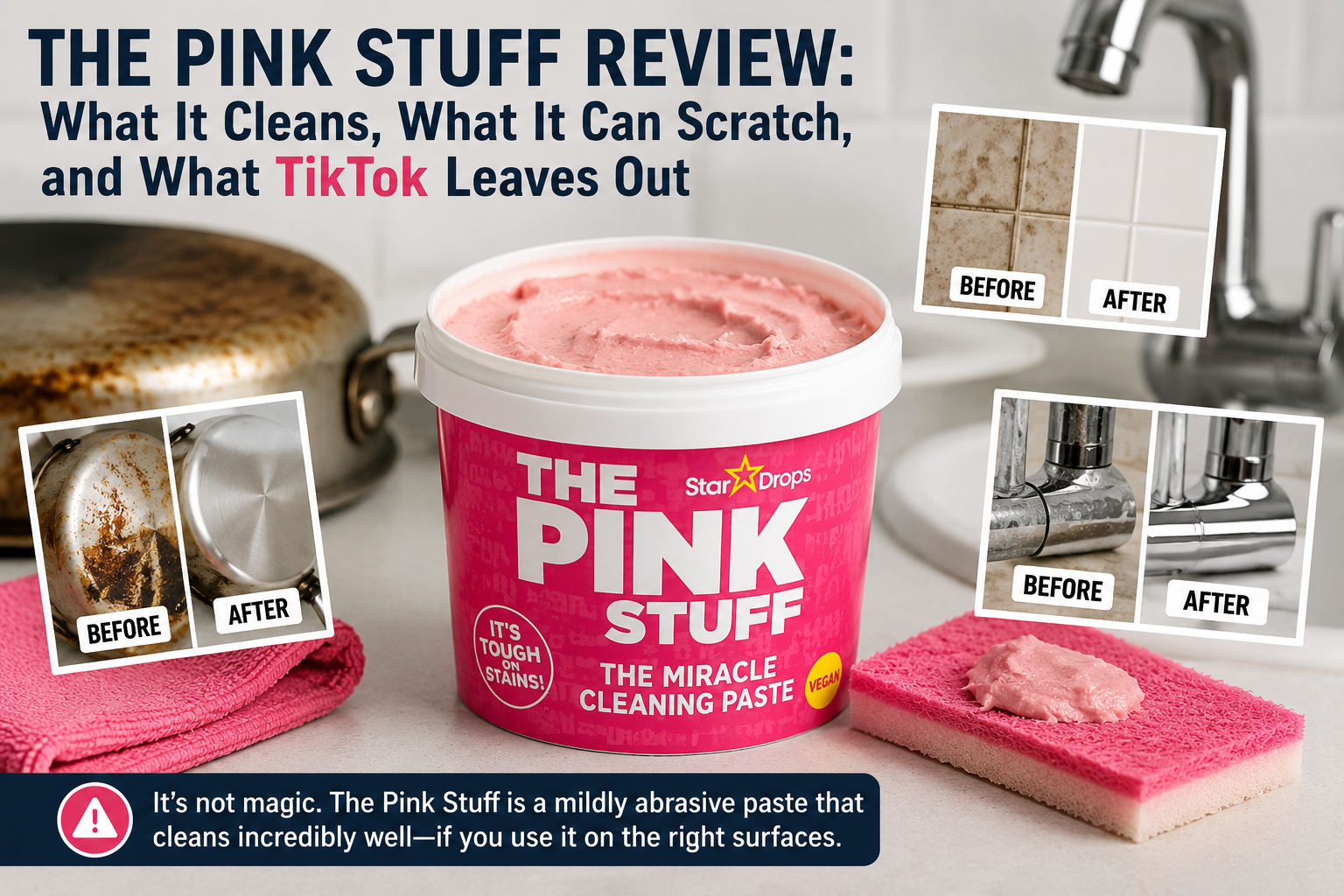
The Pink Stuff Review: What It Cleans, What It Can Scratch, and What TikTok Leaves Out
A practical look at The Pink Stuff Miracle Cleaning Paste and what viral videos do not show. Learn where it shines, where it risks damage, and better options for delicate surfaces.
mistakes / buying_guide
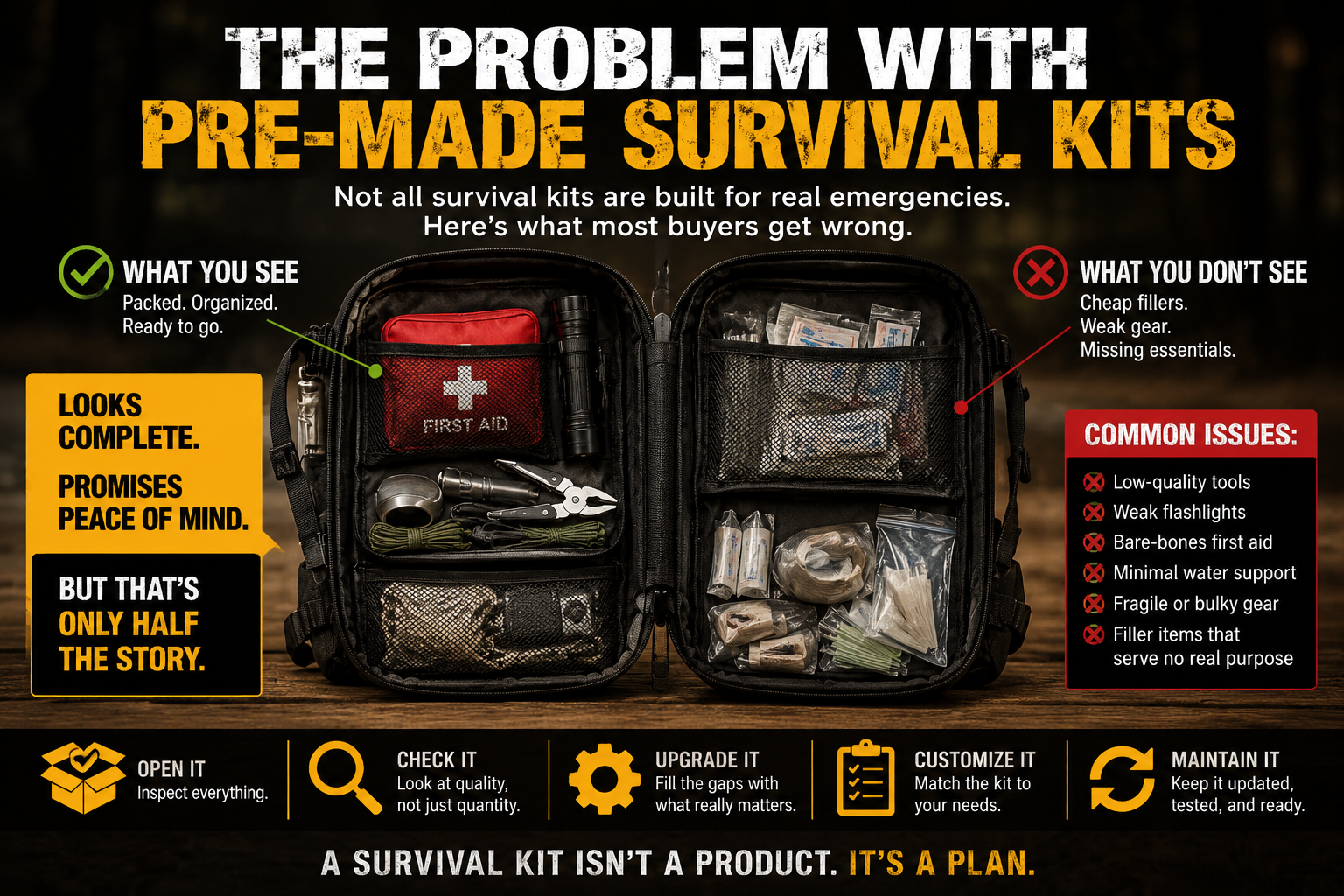
The Problem With Pre-Made Survival Kits
Pre-made survival kits can look like an easy fix for emergencies, but many prioritize shelf appeal over real usefulness. Learn what these kits miss, where they help, and how to vet one before you rely on it.

review / product
Smart glasses buying checklist: what to actually watch for
Smart glasses are tempting, but don’t buy on novelty. This checklist walks through the practical features and tradeoffs to check before you spend.
buying-guide / buying_guide
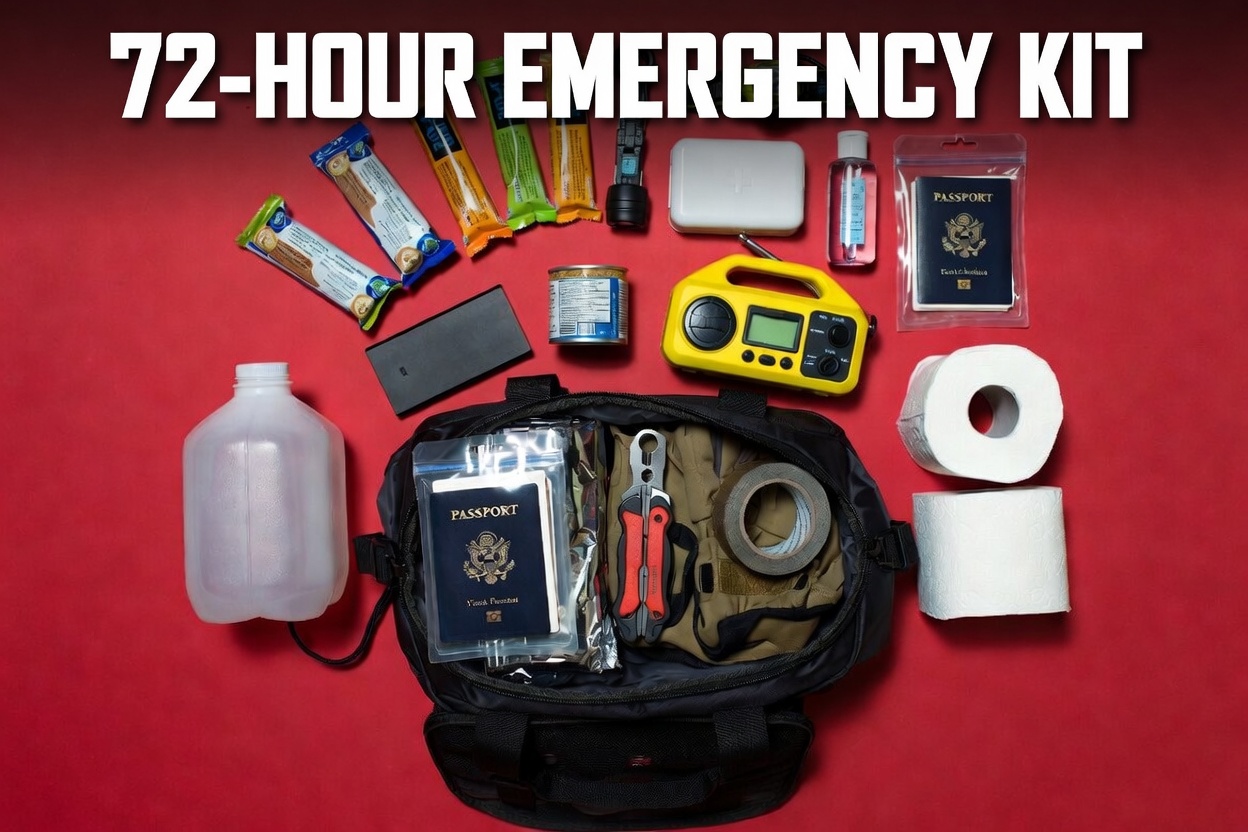
What to Pack in a Practical 72-Hour Emergency Kit
How to build a real 72-hour emergency kit that covers water, food, warmth, hygiene, tools, and meds without filler items that waste space. Learn what to prioritize and what low-value extras to skip.
review / product
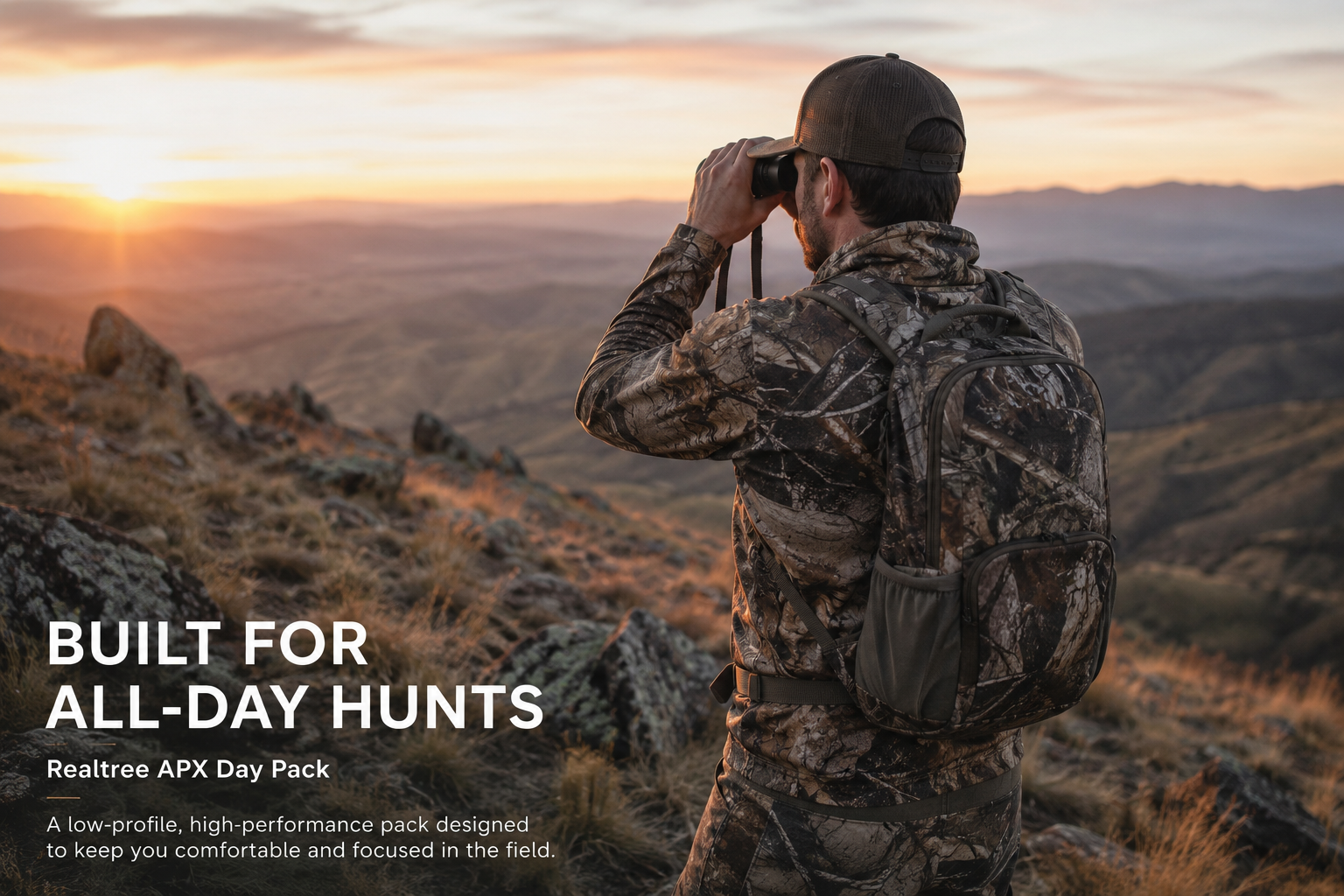
ALPS OutdoorZ Crossfire Pack (Realtree APX) Review: A Comfortable Day Pack for Hunters
A hands-on look at the Crossfire 23L hunting pack. Learn where it shines, who should buy it, and which hunters should look for bigger, tougher alternatives.
comparison / product
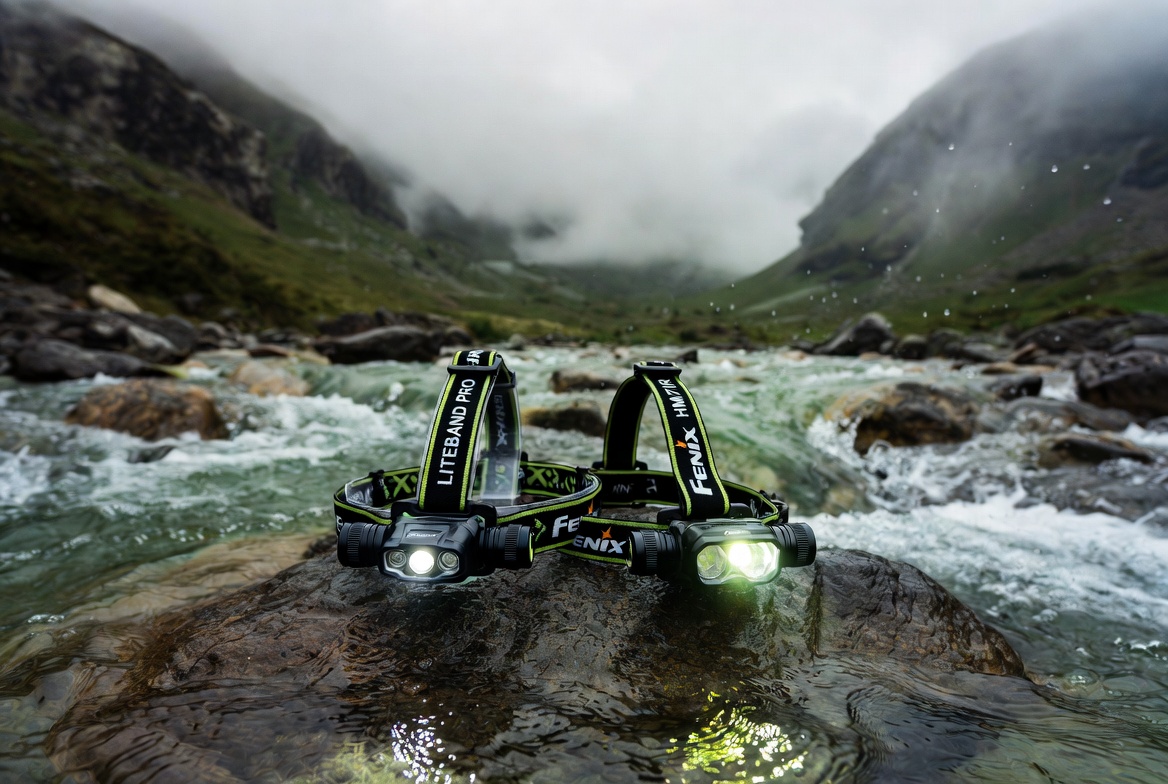
LITEBAND PRO vs Fenix HM71R: Which Rechargeable Headlamp Fits Your Work and Outdoors Needs?
A straight-up comparison of the LITEBAND PRO and the Fenix HM71R covering brightness, beam control, runtime, fit, and durability so you can pick the right headlamp for your tasks.