guide
How to Choose a Water Filter for Camping Without Overthinking It
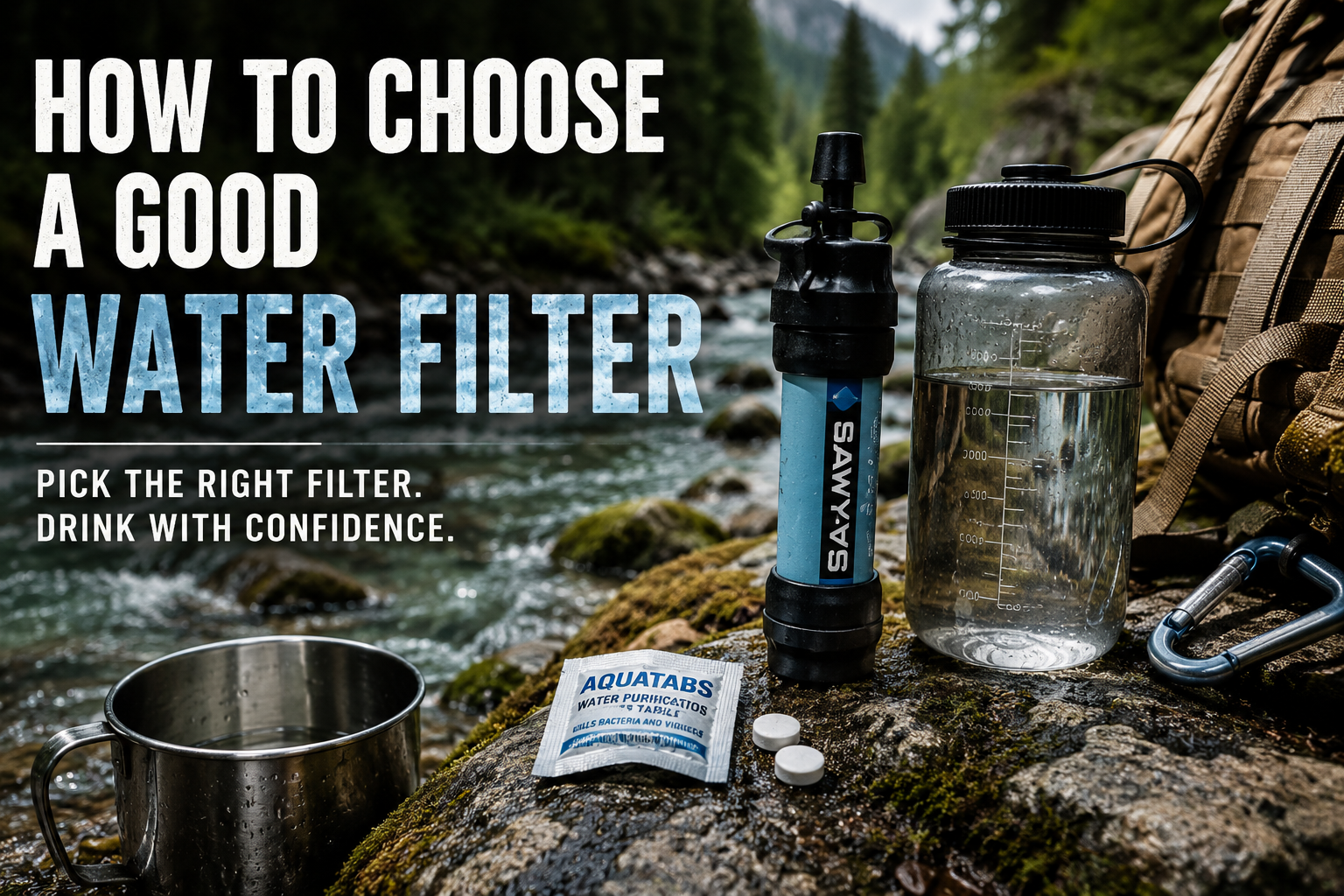
A water filter is one of those tools you do not want to learn the hard way. Here is what I would check before trusting one in the woods, on a trip, or in an emergency kit.
Water Filters / product
Published: May 21, 2026 / Updated: Jun 2, 2026
Prices, availability, and product details can change. Check current details with the seller before buying.
Article
Overview
Water filters are easy to ignore until the moment you need one. Then suddenly, all the specs, micron ratings, flow rates, and “removes 99.999%” claims start to matter. A good water filter is not just camping gear. It is a confidence tool.
For camping, hiking, bushcraft, travel, and emergency kits, the right filter depends on where you are getting water, what might be in it, and how many people need to drink from it. This guide breaks down what I would check before buying one.
Start With the Water Source
Not all dirty water is dirty in the same way.
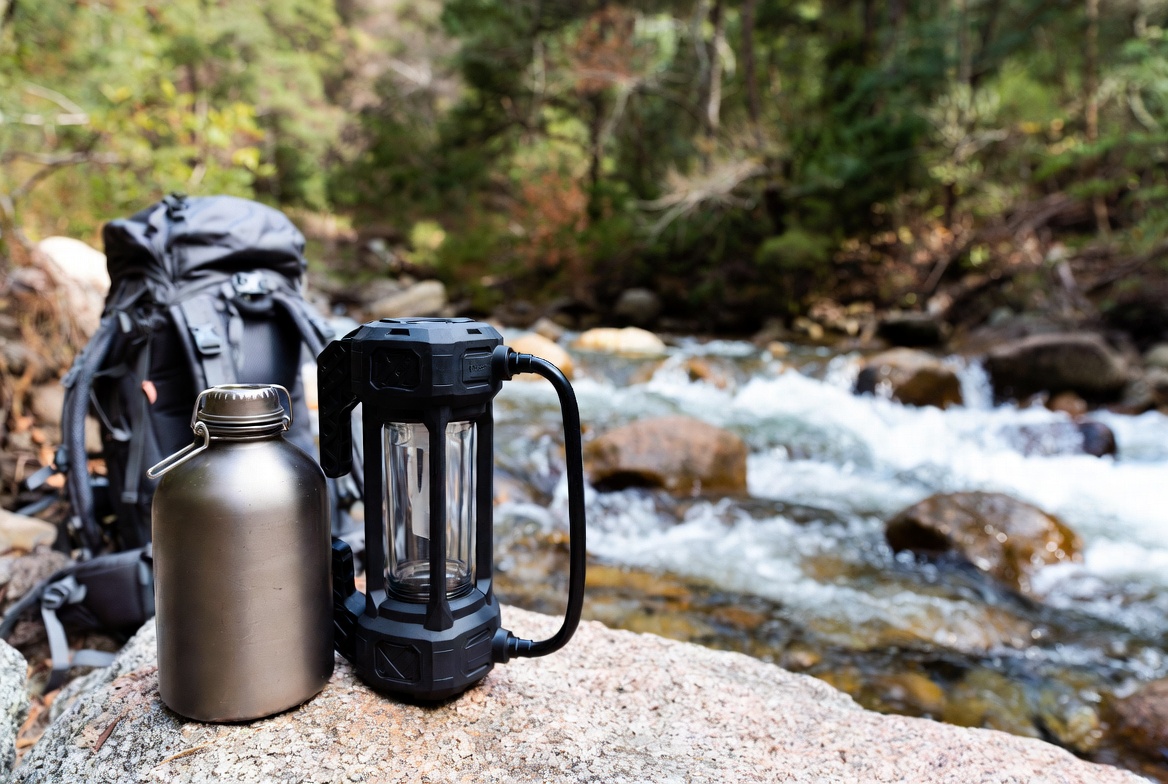
A clear mountain stream, a farm pond, a campground spigot, floodwater, and a roadside ditch are all different problems. The filter that works fine for a clean-looking backcountry stream might not be the right tool for water contaminated by sewage, chemicals, fuel, or flood runoff.
BuyerProbe take:
Before asking “what is the best water filter,” ask “what kind of water am I expecting to deal with?”
Understand Filter vs. Purifier
This is the big one.
A standard outdoor water filter usually targets bacteria, protozoa, and sediment. A purifier is designed to deal with viruses too. That difference matters because viruses are smaller than bacteria and parasites.
For most remote backcountry use in the U.S. and Canada, many campers use filters because the main concern is often bacteria and protozoa. But for international travel, emergency water, floodwater, or water near heavy human activity, you should think harder about purification. REI’s guidance also separates filters and purifiers and recommends matching the treatment method to the water risk and trip type.
Look at Ease of Use
A filter can look great on paper and still be annoying in real life.
Things to check:
Can you fill it easily from shallow water?
Can you use it with cold hands?
Does it require squeezing forever?
Is it awkward to clean?
Does it work for more than one person?
Can you drink directly, fill bottles, or both?
BuyerProbe take:
A filter you hate using is a filter you will avoid using. That is not a great survival strategy.
Pick the Right Style
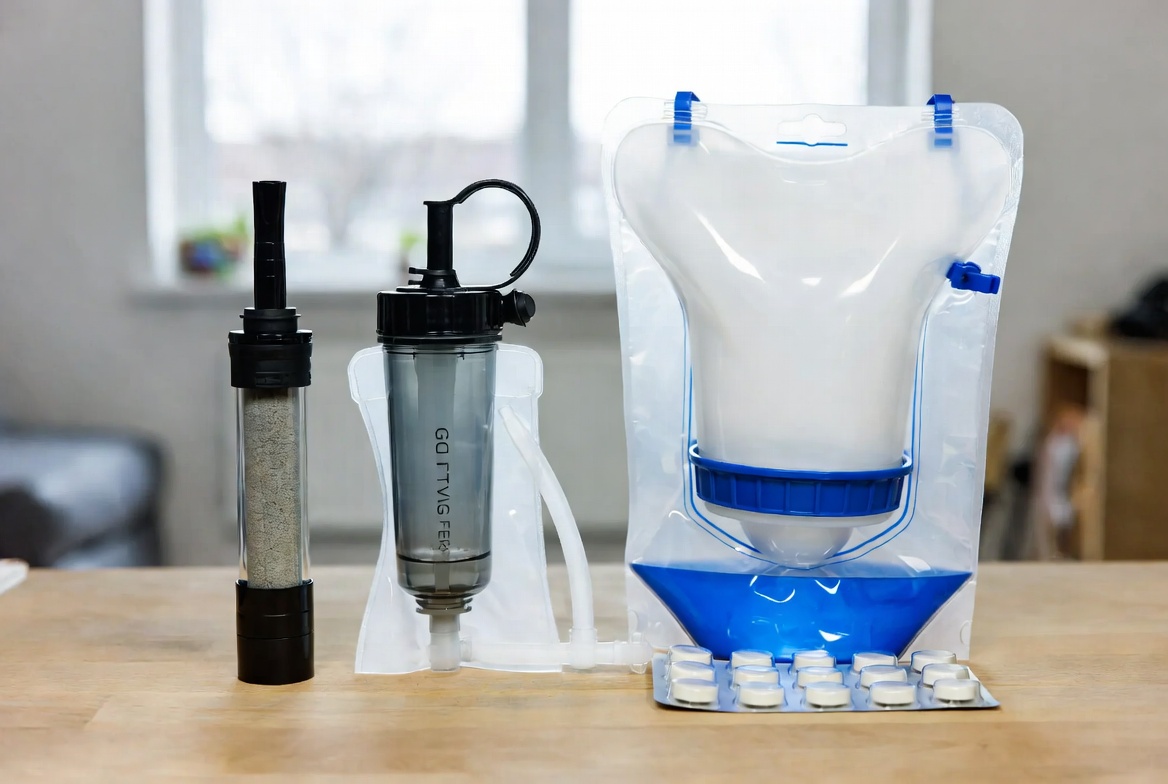
Straw filters are compact and simple, but not great for filling bottles or cooking.
Bottle filters are convenient for hiking, travel, and daily use, but usually limited in volume.
Squeeze filters are popular because they are light, packable, and flexible.
Pump filters are dependable and controlled, but take more effort.
Gravity filters are great for groups and basecamp because they do the work while you set up camp.
UV purifiers can be fast, but they need batteries and clearer water.
Chemical tablets/drops are excellent backups, but they take time and may affect taste.
Check Maintenance Before You Buy
Do not just ask how well it filters on day one. Ask how it behaves after muddy water, cold nights, and repeated use.
A good filter should have clear instructions for cleaning, backflushing, drying, storing, and replacing parts. Some hollow-fiber filters can be damaged if they freeze after being used, so winter storage and cold-weather use matter.
Have a Backup Plan
For serious use, one method is not always enough.
The EPA says boiling is sufficient to kill pathogenic bacteria, viruses, and protozoa, with water brought to a rolling boil for at least one minute, or three minutes above 5,000 feet.
But boiling will not remove many chemicals, salts, heavy metals, or fuel contamination. The CDC also warns that water containing fuel, toxic chemicals, or radioactive materials cannot be made safe just by boiling or disinfecting.
BuyerProbe take:
Filter for the stuff filters handle. Purify when viruses are a concern. Avoid chemically contaminated water when possible.
BuyerProbe Take
A good water filter should be simple, reliable, and matched to the kind of water you actually expect to use. For a solo camper, a squeeze filter plus purification tablets is a strong lightweight setup. For a family camp or hunting camp, a gravity filter makes more sense. For travel or emergency water, think beyond basic filtration and make sure viruses and chemical contamination are part of the conversation.
The biggest mistake is buying a filter because it looks cool instead of because it fits your real situation.
More BuyerProbe Reads
Keep Reading
guide / buying_guide
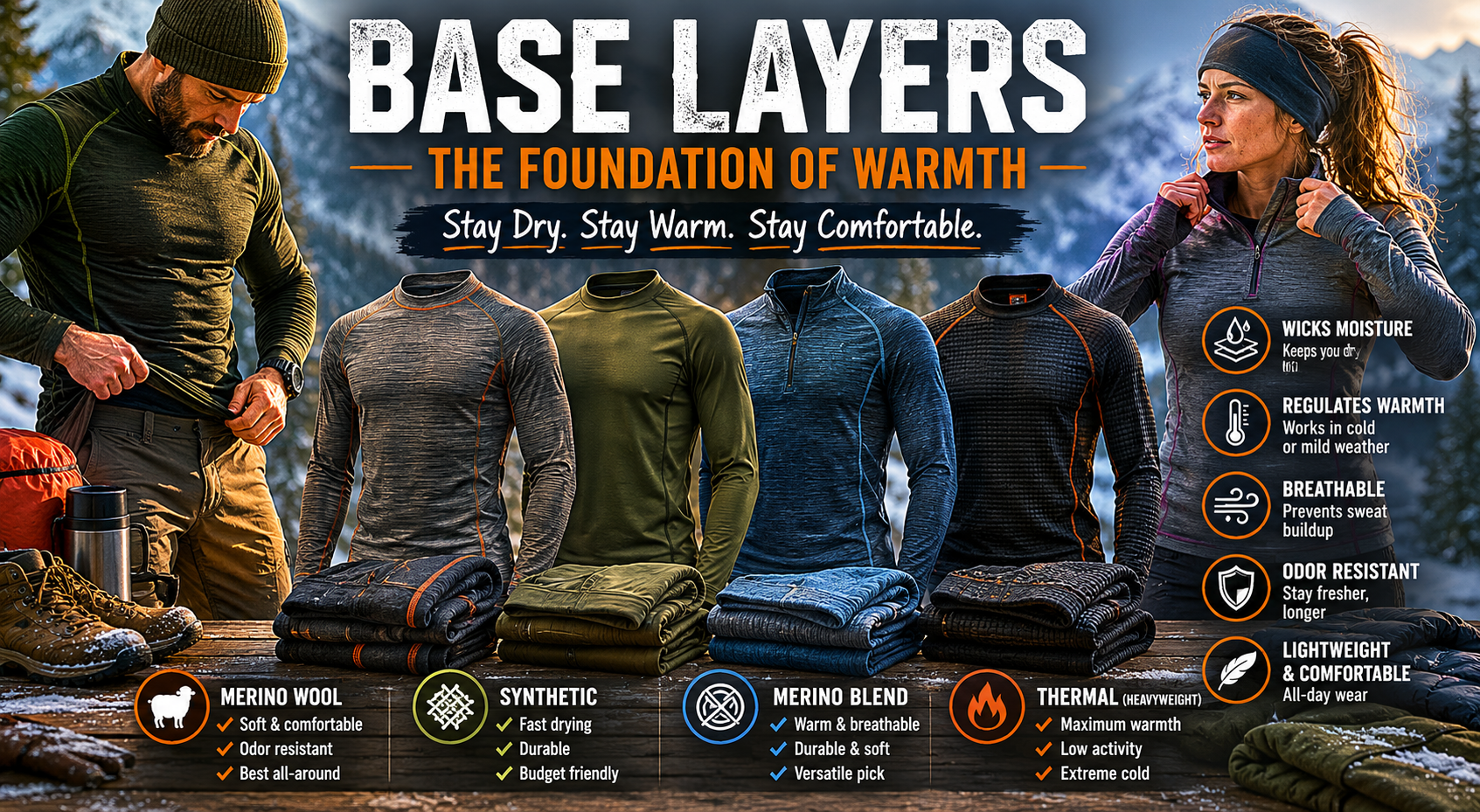
Best Base Layers for Cold Weather: Merino Wool vs Synthetic vs Blends
Base layers are the first line of defense against cold, sweat, and bad layering decisions. This guide compares merino wool, synthetic, blended, and heavyweight thermal base layers so you can pick the right one for work, hiking, hunting, camping, and winter wear.
guide / product
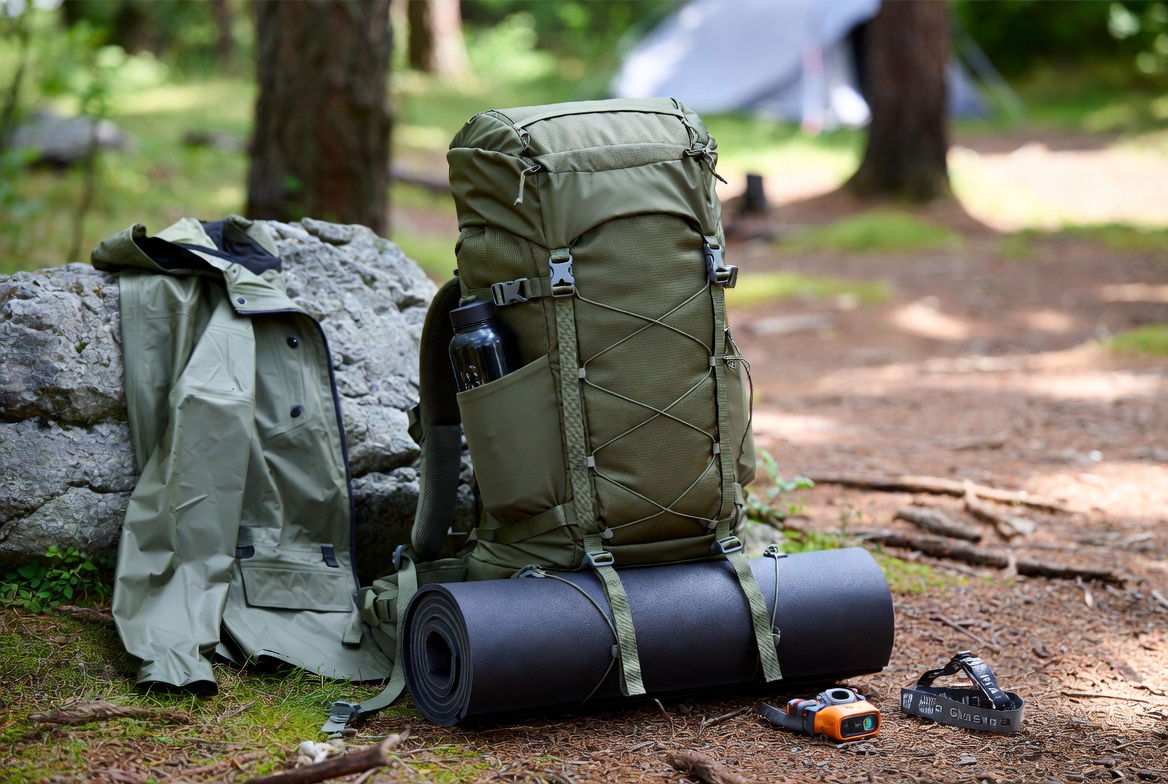
How to Choose the Right Backpack for Any Occasion
The best backpack is not the one with the most pockets, the biggest capacity, or the trendiest brand name. It is the one that fits the job. School, work, travel, hiking, camping, hunting, and gym bags all solve different problems.
review / product
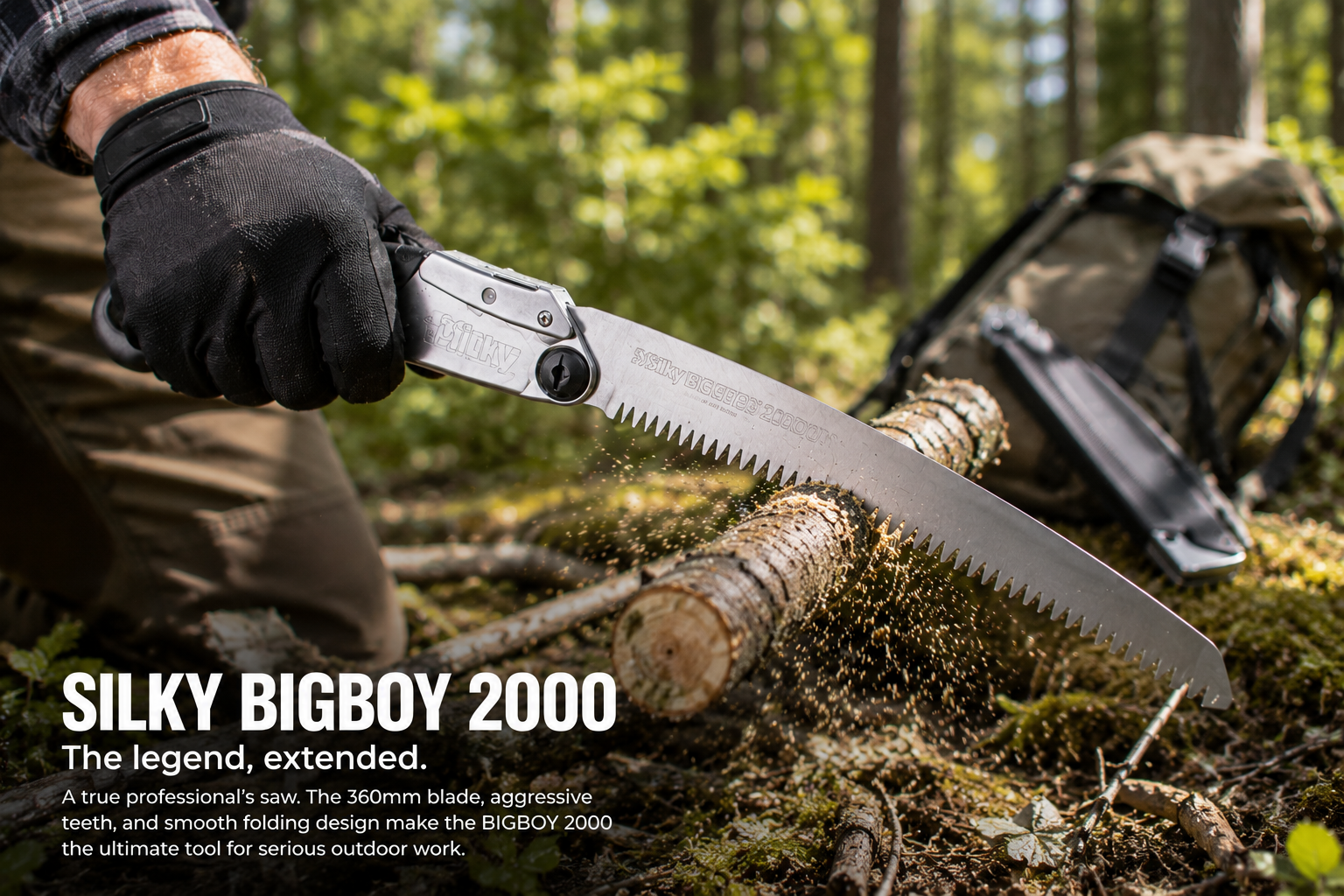
Silky Professional BIGBOY 2000 Folding Saw: durable, fast cutting for heavy yard and trail work
A practical look at the BIGBOY 2000 after a year of regular use. Learn what it handles well, its real limitations, and who should buy it.
review / comparison
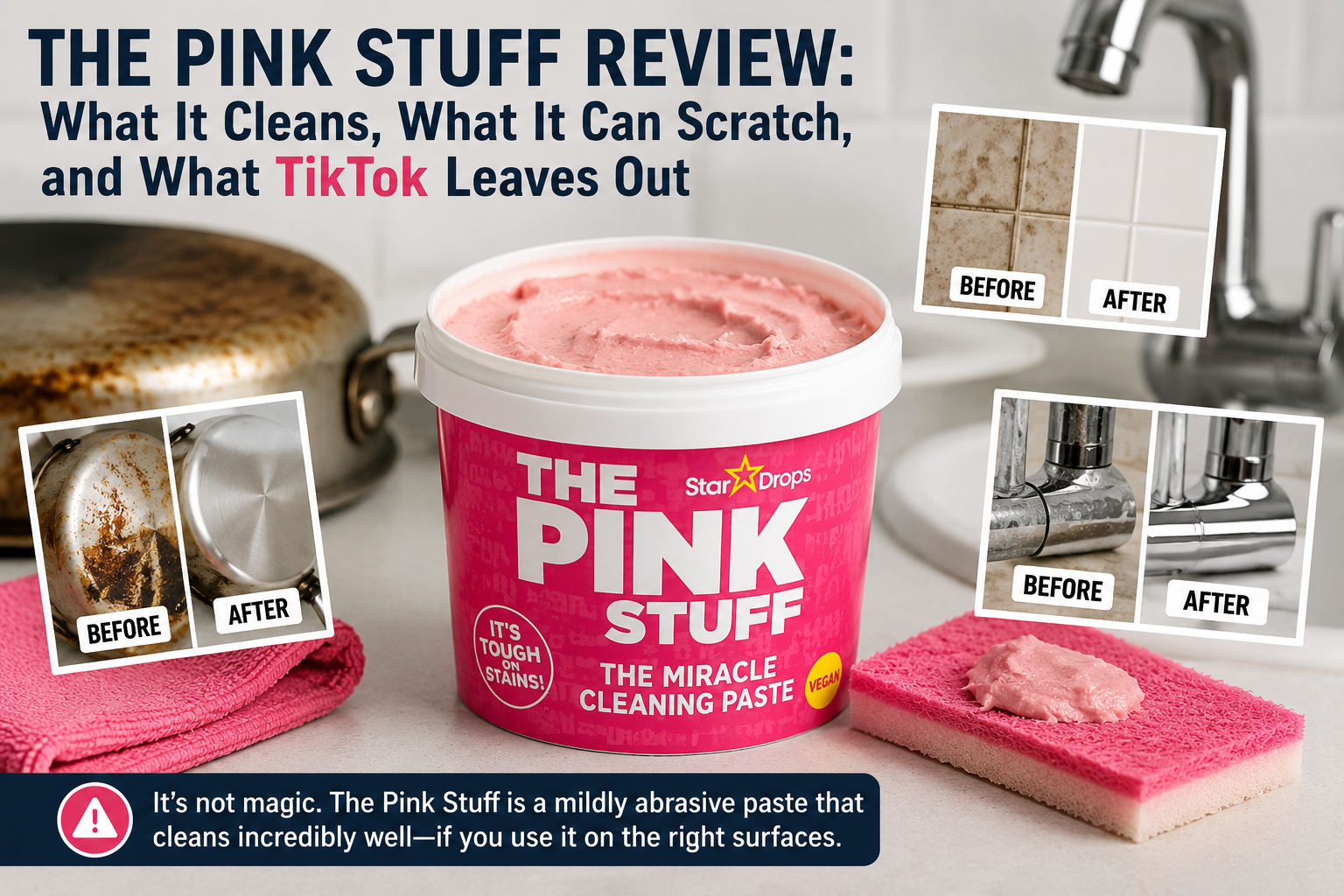
The Pink Stuff Review: What It Cleans, What It Can Scratch, and What TikTok Leaves Out
A practical look at The Pink Stuff Miracle Cleaning Paste and what viral videos do not show. Learn where it shines, where it risks damage, and better options for delicate surfaces.
mistakes / buying_guide
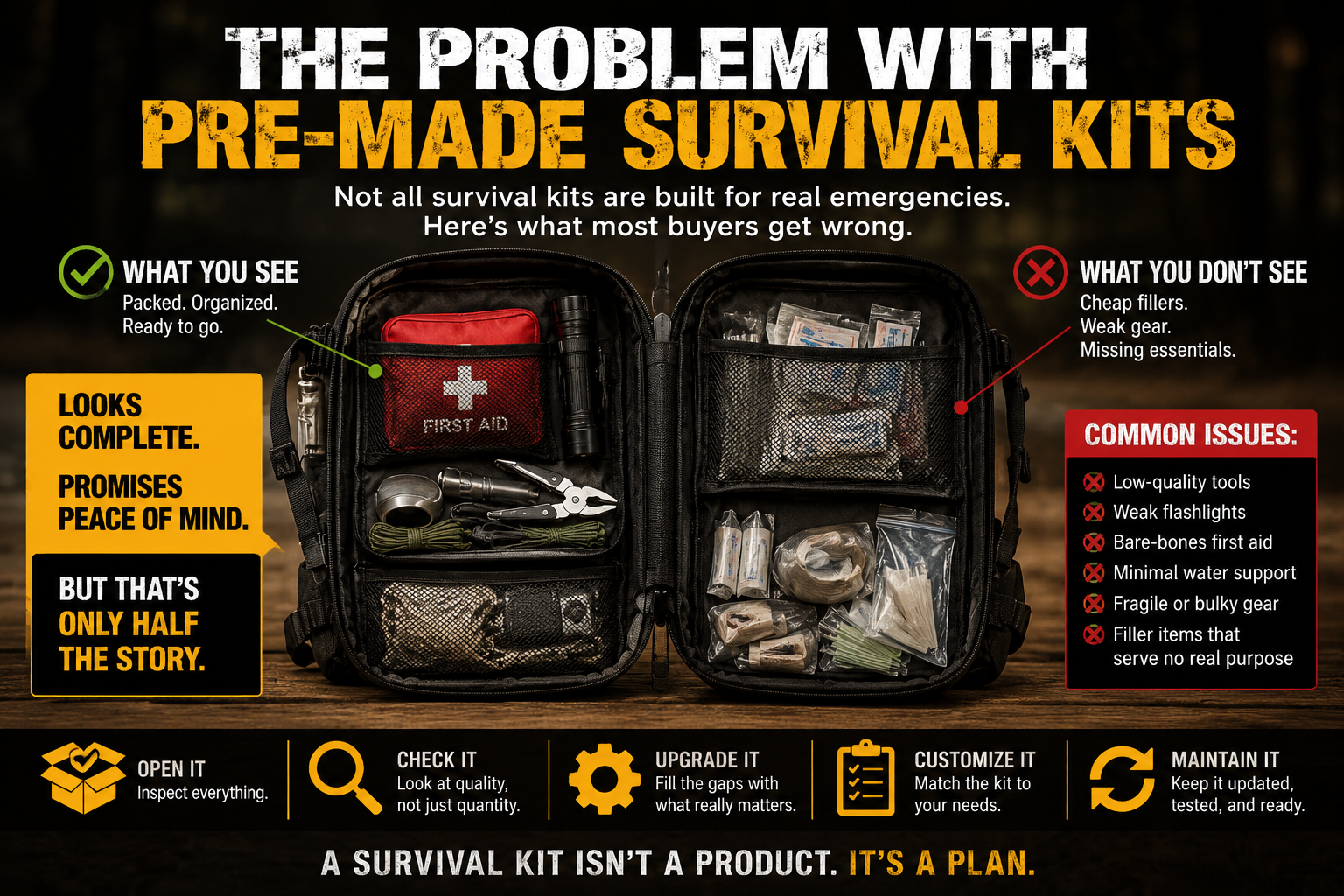
The Problem With Pre-Made Survival Kits
Pre-made survival kits can look like an easy fix for emergencies, but many prioritize shelf appeal over real usefulness. Learn what these kits miss, where they help, and how to vet one before you rely on it.

review / product
Smart glasses buying checklist: what to actually watch for
Smart glasses are tempting, but don’t buy on novelty. This checklist walks through the practical features and tradeoffs to check before you spend.
buying-guide / buying_guide
What to Pack in a Practical 72-Hour Emergency Kit
How to build a real 72-hour emergency kit that covers water, food, warmth, hygiene, tools, and meds without filler items that waste space. Learn what to prioritize and what low-value extras to skip.
review / product
ALPS OutdoorZ Crossfire Pack (Realtree APX) Review: A Comfortable Day Pack for Hunters
A hands-on look at the Crossfire 23L hunting pack. Learn where it shines, who should buy it, and which hunters should look for bigger, tougher alternatives.